Blackhawk Golden ‘K’ General Meeting
Minutes
October 28th, 2026
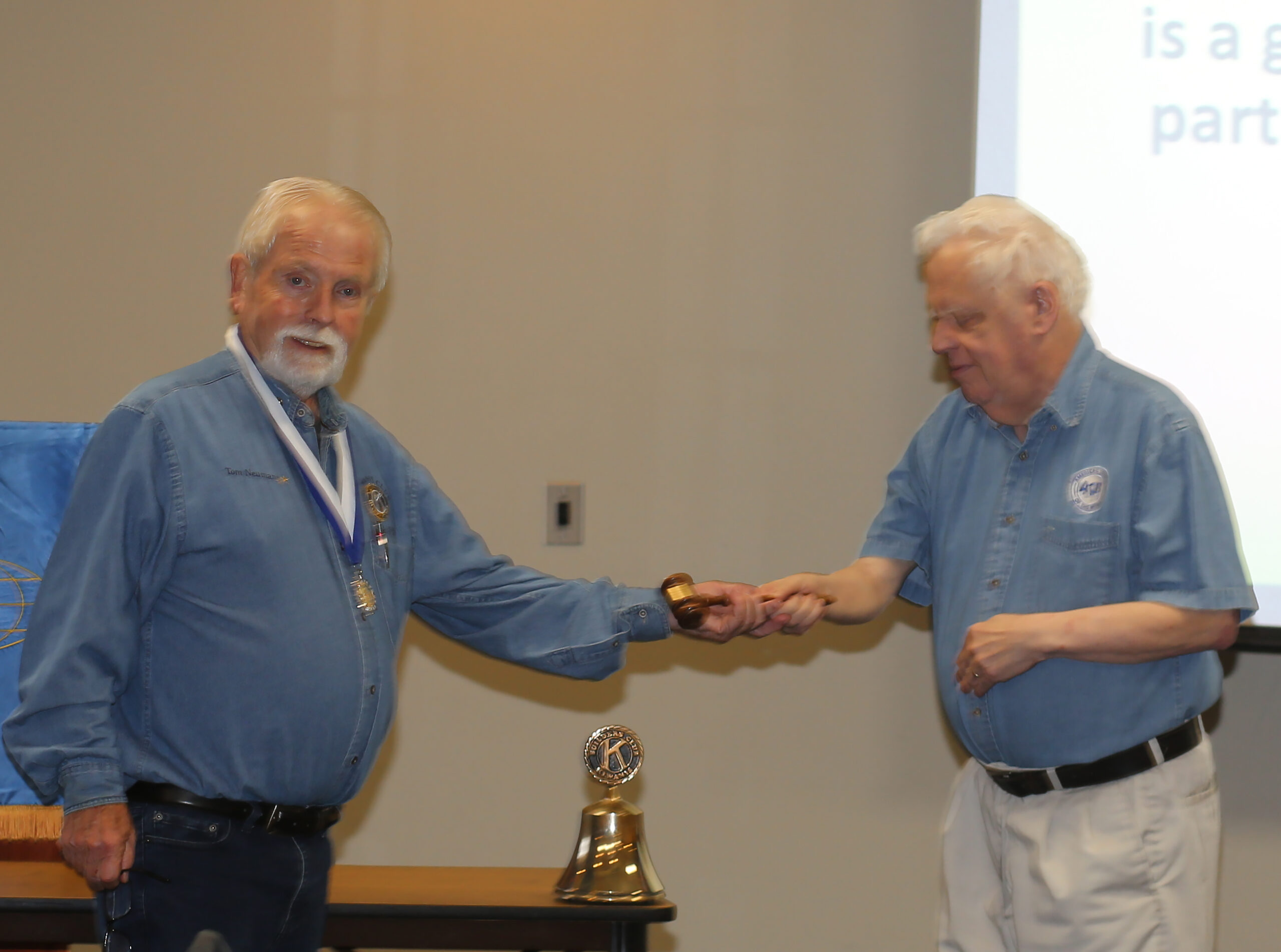
President Tom Neumann presided, and called the meeting to order with a ring of the bell at 9:30AM.
An Executive Board meeting occurred today.
Tom Neumann led with the singing of America, the National Anthem, and the Pledge of Allegiance.
Invocation: Carl Cramer, mentioning the upcoming elections, and the children.
Raffle: John Janes oversaw the ticket sales and drawing this week.
The weekly pot was $14 and the big (Joker) pot was $369.
Guest speaker Anita Hawkins drew a ticket from the bucket, ticket number 5526. Congratulations to the winner, Richard Johnson.
The deck of cards has 24/53 cards remaining. Richard Johnson drew the 7♠.
Additional tickets 5530 & 5488 were drawn, and Maury Frey and Luci Cramer won bathroom handles.
Tom Neumann thanks greeters Doris Henning and Bob Knudson, invocator Carl Cramer, rafflemaster John Janes, and server Maury Frey.
Happy Box: Steve Skelly announced he is happy because today is his birthday.
Jokes: Joker Steve Skelly had a good joke about identical twins.
Joker Roger Willeford had a good joke about the difference between a comet and a ‘Big Mac.’ “One’s a little meatier.”
Other Announcements: Tom Neumann spoke upon a new initiative, spouse memberships are now half price for new members’ first year.
Tom Neumann spoke upon scheduling off-site general meetings. One at the Boys’ and Girls’ Club is upcoming.
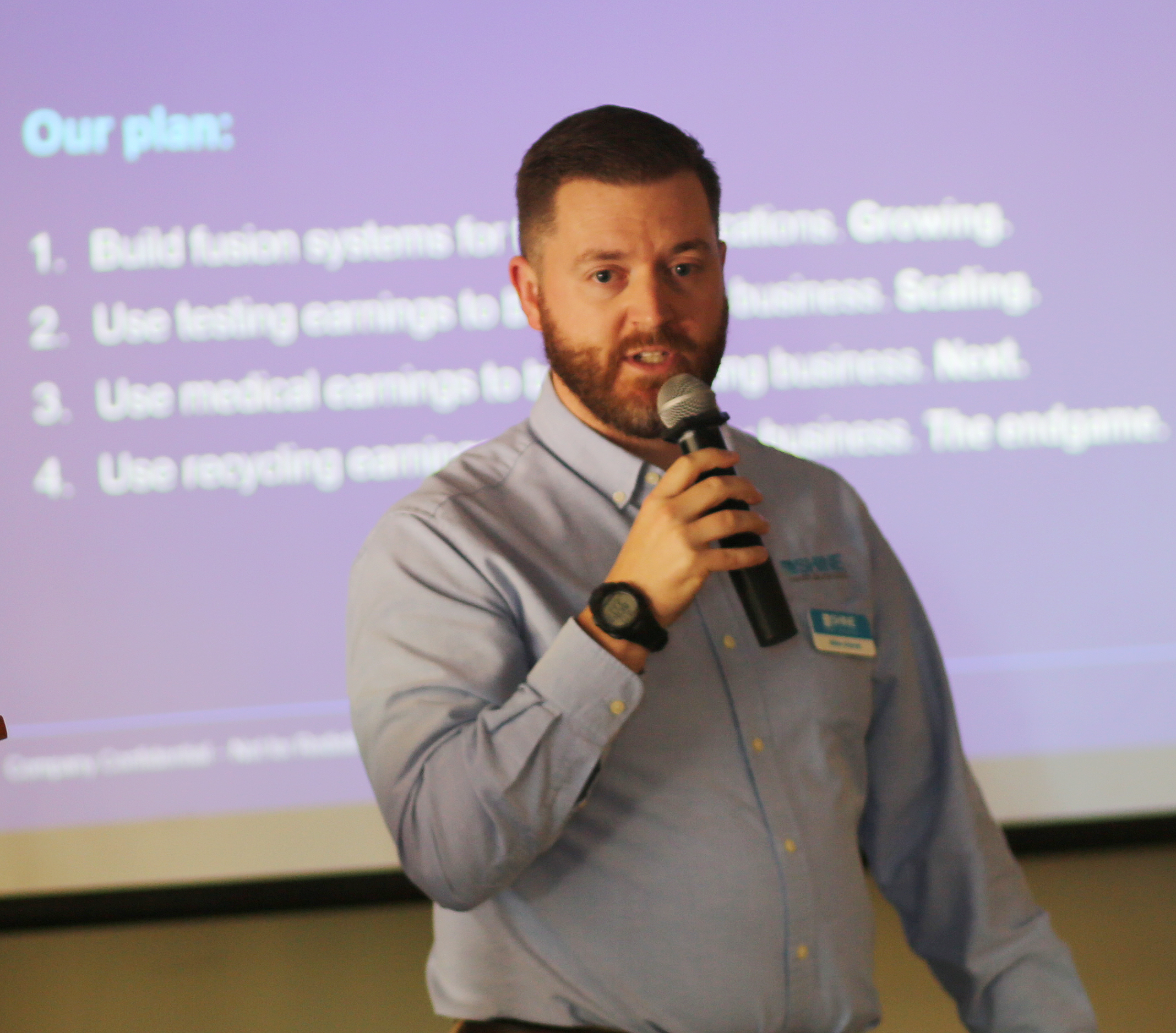
Committee Reports: Tom Neumann announced the Kiwanis Foundation formation is progressing, thanks to Greg Turco and Ryan Lewis.
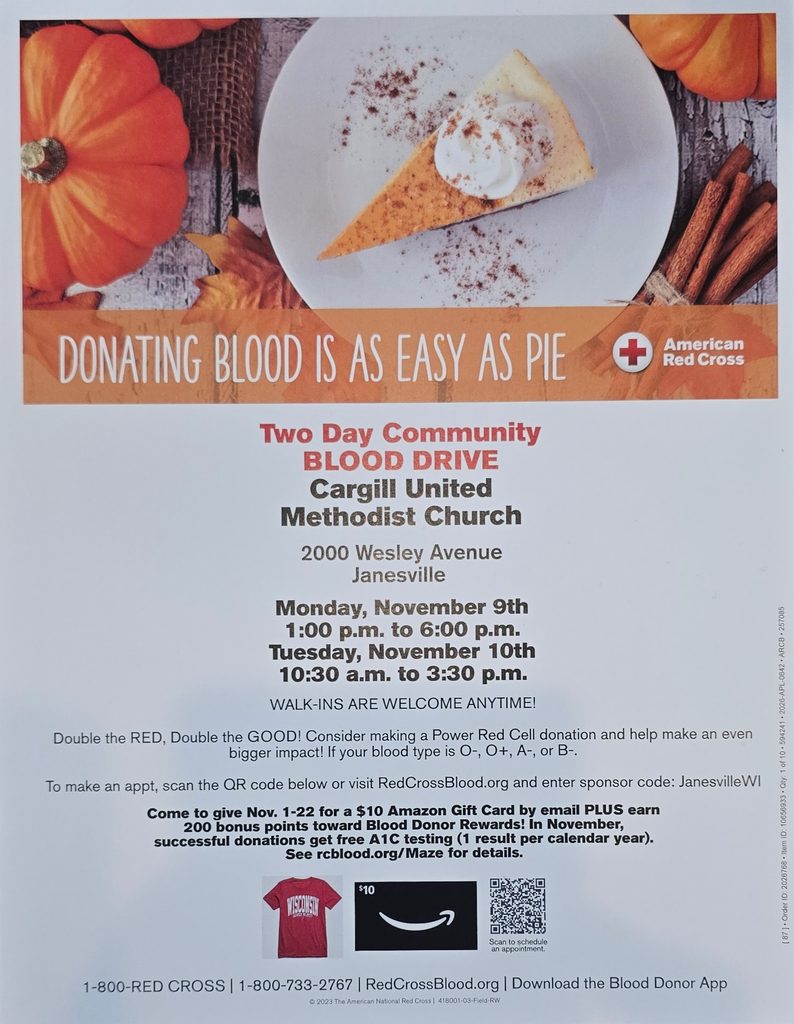
John Janes announced Blood Drives are occurring on November 9th and 10th, at Cargill United Methodist Church.
John Janes encouraged all members to read page 19 of the recent mailer, information about increasing clubs’ membership.
Tom Neumann announced a ‘Thank you’ to Ryan Lewis, for installing the club’s Kiwanis Park flag box.
Tom Neumann announced a kudos to Ray Szczepaniak, for his work with the Key Club of Rock University.
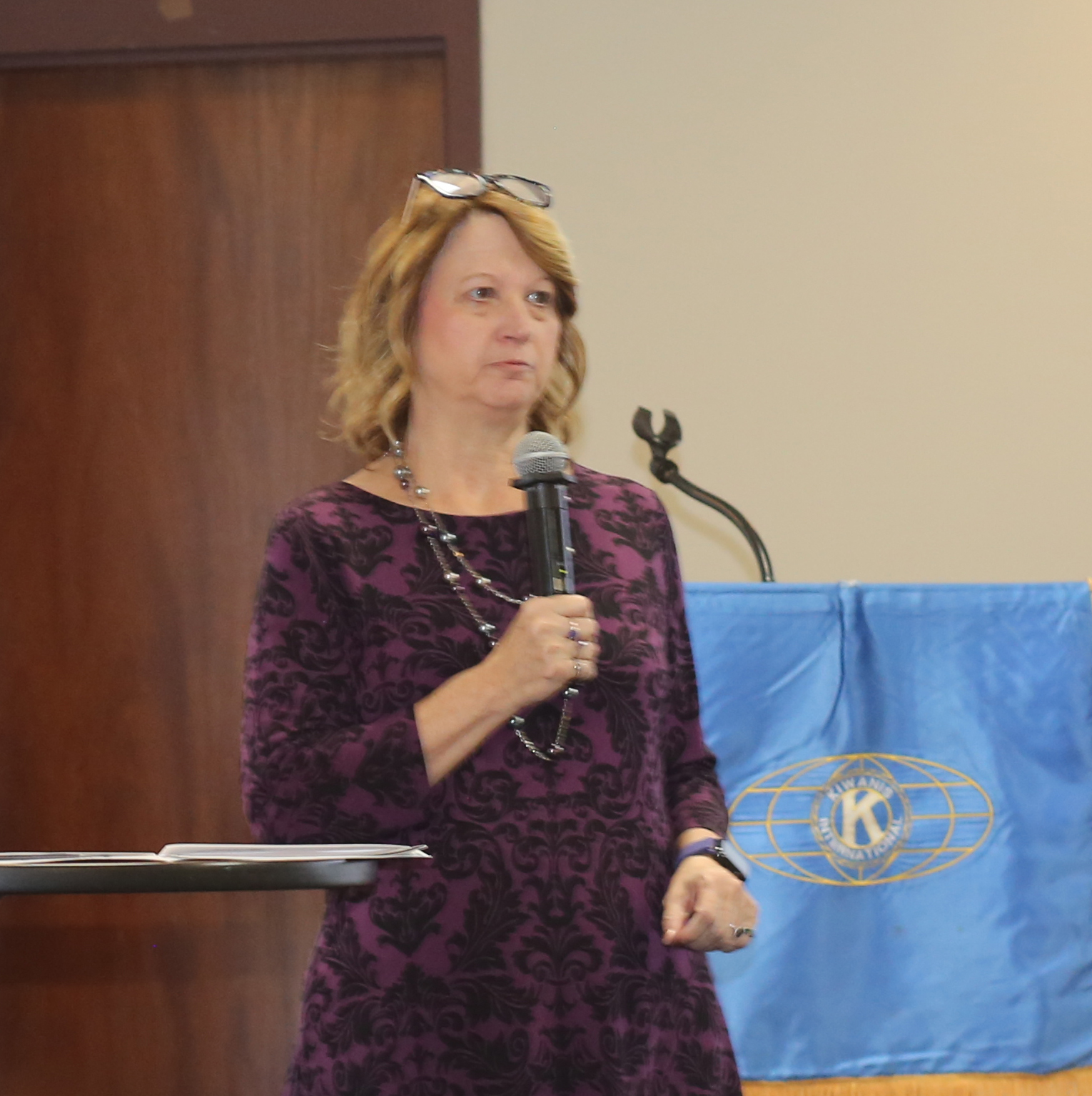
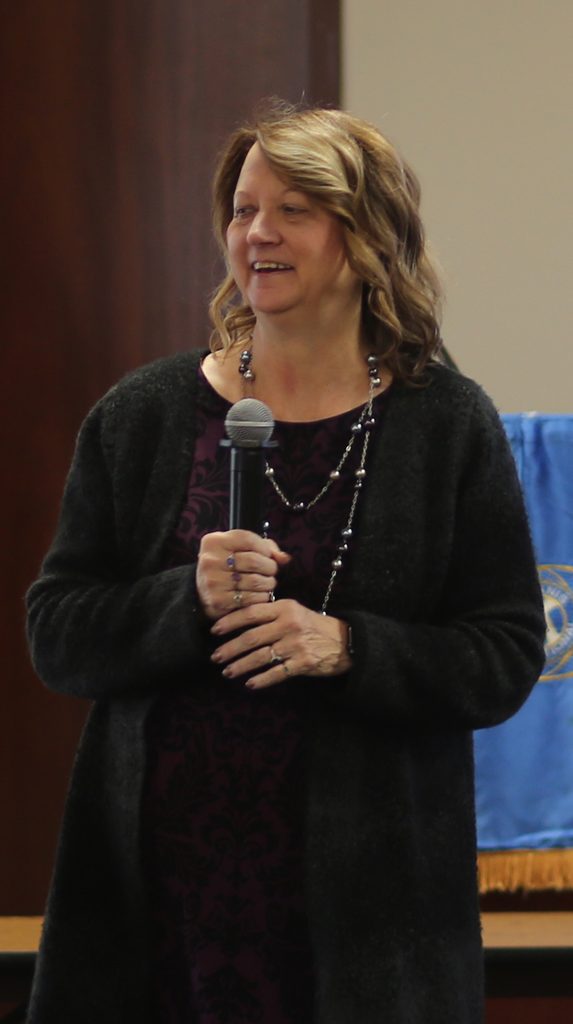
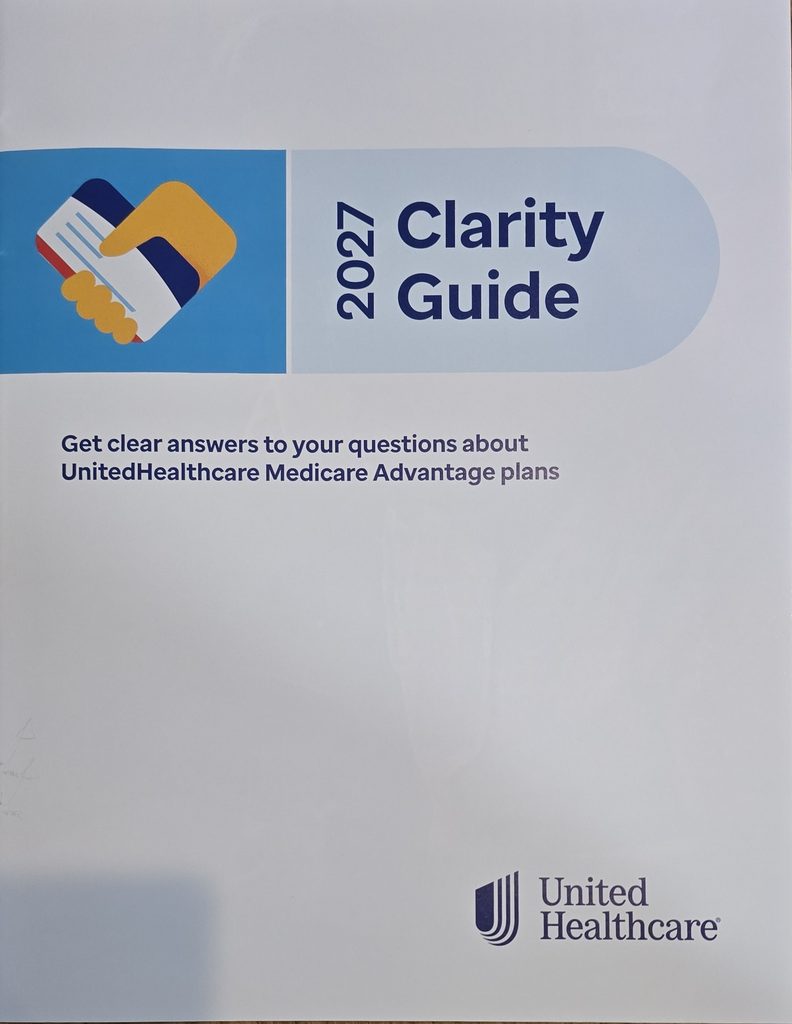
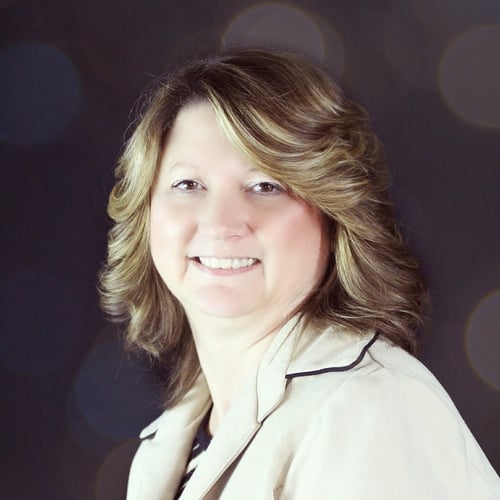
Luci Cramer introduced the day’s speaker, Anita Hawkins. Anita Hawkins is the owner of Medicare 4 You agency in Janesville. Anita has been an insurance agent for 17 years and has been a Medicare agent for 9 years. Anita and her husband, Kerry, live in Janesville. They have five daughters, four grandsons and a granddaughter. Anita spends her leisure time reading, DIY projects at home, traveling and spending time with family.
Anita enjoys working with Medicare beneficiaries to assist them in understanding the maze of Medicare and works closely with her customers to be sure they are in the best plan for their needs.
Out-of-pocket increase for Medicare this year will be $300, from $2,100 to $2,400.
Part B, which averages $202.90, is expected to increase by $8 or $9.
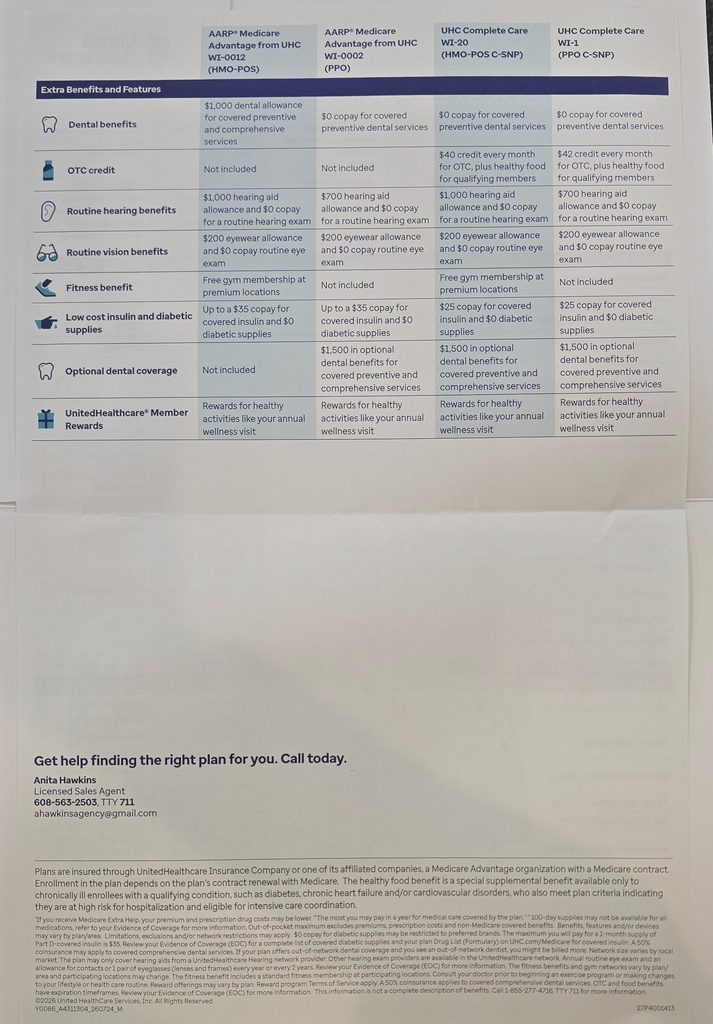
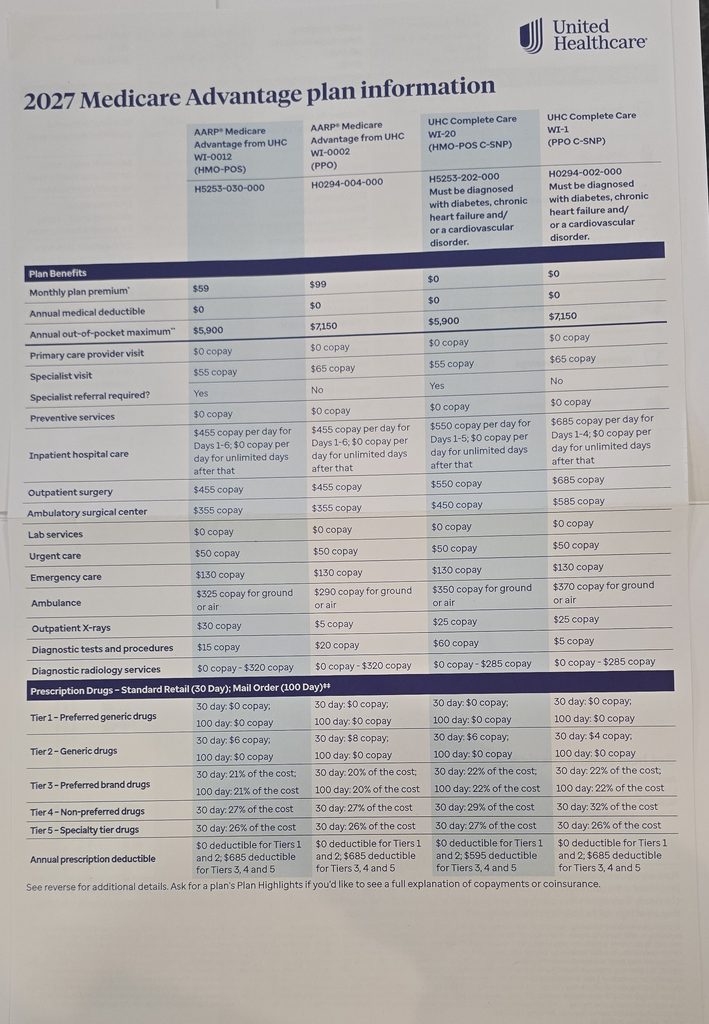
Most of Anita’s presentation is based on United Healthcare. She does work with and is contracted for Humana, Dean, Medica, and in Dane County, Quartz.
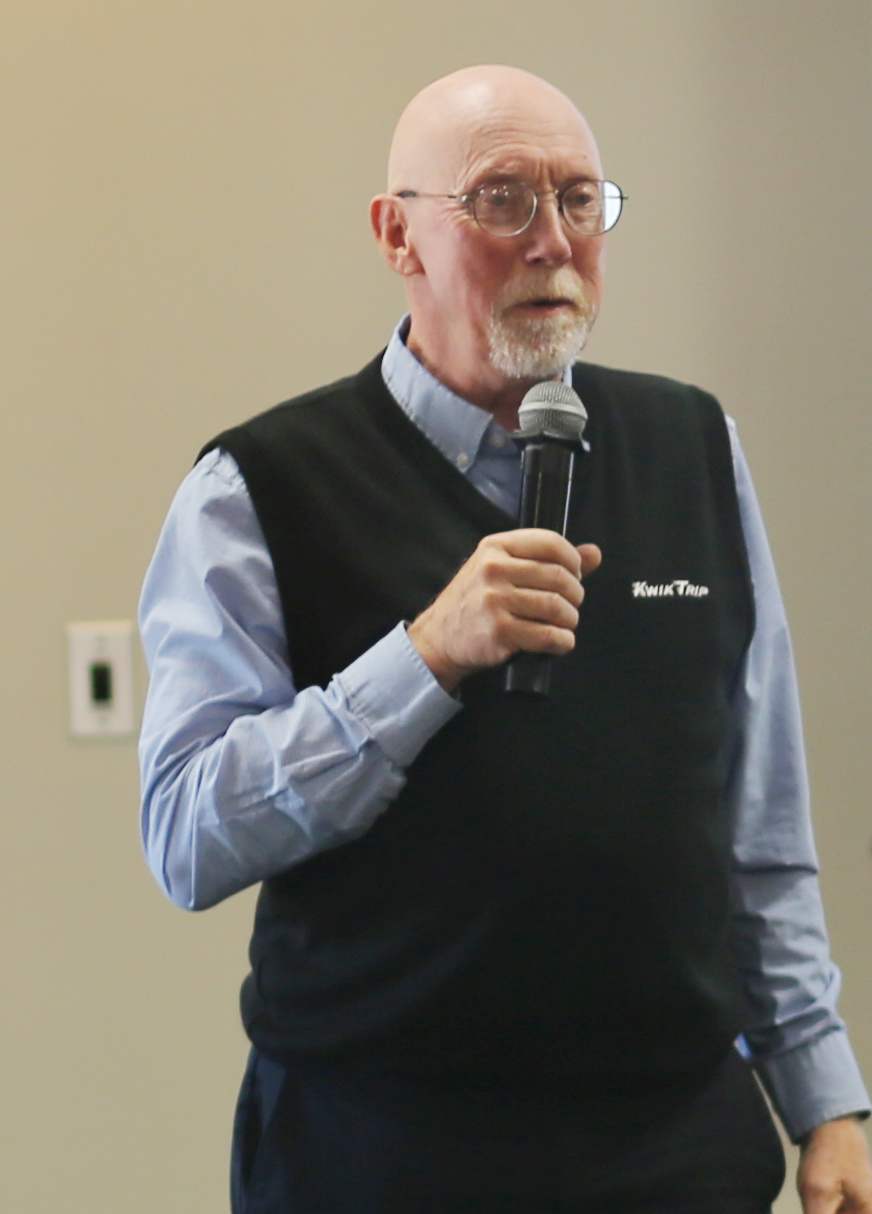
Kiwanis member Tom Neumann asked, “What about weight loss drugs?” Anita replied, “Newly, a $50 copay applies.”
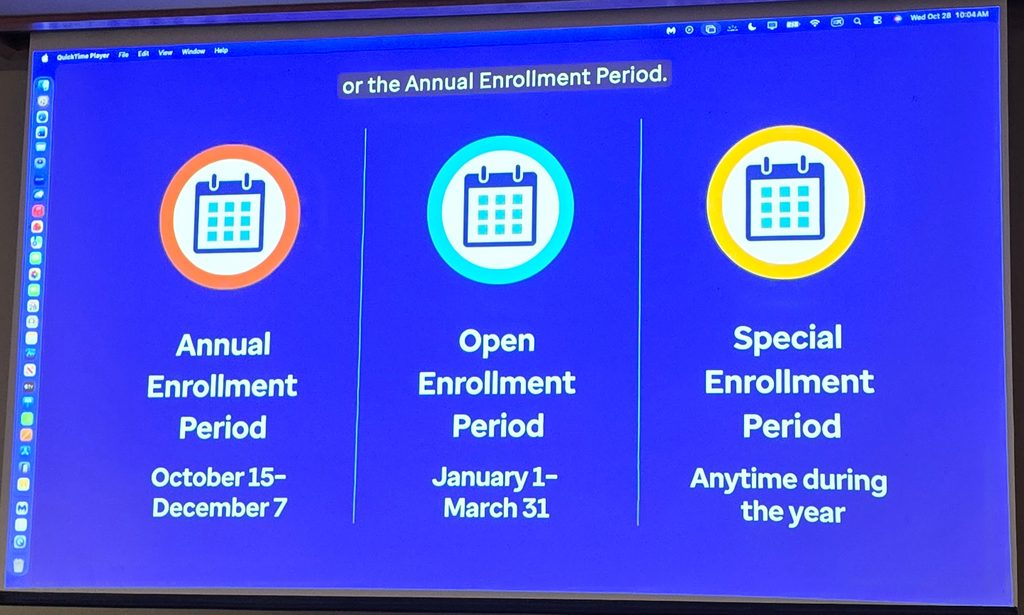
Annual enrollment for Medicare is on now from October 15 to December 7.
January 1st to March 1st is a different enrollment period that begins for Advantage plans.
Tom Neumann asked, “If I was in Florida for a month, how does Medicare function?” Anita responded, “All Advantage plans, when you are 75 or more miles away, will allow emergency room visits. It includes worldwide, with caveats: for example, in Costa Rica, they want you to pay up front, and Medicare will reimburse the invoice. Additionally, Medicare does not pay for medical flights home. Have travel insurance!
Those who have Supplemental and would like to move to an Advantage plan are able, and allowed to move back to the same exact Supplemental plan at the same carrier for up to 365 days without underwriting. If you miss the mark by a day longer, the option does not exist.
Kiwanian Mel Lemirande stated, “Supplemental is soon $486 a month next year. The great thing is it is never a question of “Should I go?” because everything is paid. Advantage requires budgeting for a visit. Granted, there is no vision, dental or hearing.” Conversation transpired about the vision, hearing, and/or dental being offered at the beginning of 2027.
Kiwanis Member Jerry Langdok stated, “With my Aetna V. A. ‘Eagle PPO’ plan, my knee at Mercy this year was $279,000. I paid $250. What do you know about the ‘give back?’” Anita answered, “Yes, the plans give around $75 to your Part B. Humana is nearer to $150. Plans have a special ‘over-the-counter items’ yearly budget, around $800.”
Kiwanian Greg Turco stated, “My Aetna Medicare plan, which is different, has dental. It is difficult to locate a dental provider.” Anita responded, “Telling dentists it is Medicare-provided may yield better results. Searches exists for locating providers.”
Tom Neumann asked, “Which allowed Dean?” Anita, “Use a PPO, which is higher cost. Humana will have Dean in-network for the first time next year.”
Kiwanis member John Janes inquired, “What about networks versus HMO?” Anita replied, “HMOs are for in-network providers. Urgent care or emergency room, in or out of network, are covered anywhere.”
Greg Turco asked, “Via the marketplace, is the cheap plan best long term?” Anita responded, “It depends on your health and the number of visits.”
Anita presentation was well received and appreciated.
Luci Cramer thanked Anita Hawkins for speaking.
Tom Neumann adjourned the meeting with a ring of the bell at 10:50AM.
On this day:
306 Maxentius proclaimed Emperor of Rome
312 Emperor Constantine the Great defeats rival Maxentius in the Battle of the Milvian Bridge
1216 Henry III, aged nine, is crowned King of England at Gloucester Cathedral after the death of his father, King John; a second coronation is held in 1220
1492 Christopher Columbus sights Cuba and claims it for Spain under the name “Juana”
1538 The first university in the Americas, the Universidad Santo Tomás de Aquino, is established in Santo Domingo
1636 Harvard University, Cambridge, founded by a vote of the Massachusetts General Court
1646 First Protestant church assembly for American Indians established in Massachusetts
1726 Anglo-Irish author Jonathan Swift anonymously published Travels into Several Remote Nations of the World (later called Gulliver’s Travels), a keystone of English literature that helped give birth to the novel form
1790 New York gives up claims to Vermont for $30,000
1793 Eli Whitney applies for a patent for his cotton gin machine, used to pull cotton fibers from the seed
1811 First known purchase of Jane Austen’s novel “Sense and Sensibility” by the Prince Regent (later George IV), who is a fan
1831 British scientist Michael Faraday demonstrates his dynamo invention, an electric generator
1858 R. H. Macy & Co opens its first store on 6th Avenue in New York City with gross receipts of $11.06
1886 The Statue of Liberty is dedicated by President Grover Cleveland and is celebrated with the first confetti (ticker tape) parade in New York City
1900 II Summer (Modern) Olympic Games in Paris end after five months; no opening or closing ceremonies are held
1904 St. Louis police try a new investigative method, fingerprints
1914 American physician and medical researcher Jonas Salk, who developed the first safe and effective vaccine for polio, was born
1919 The Volstead Act is passed by Congress, establishing a nationwide ban on alcohol, despite President Woodrow Wilson’s veto
1922 First US coast-to-coast radio broadcast of a football game
1924 White Sox beat New York Giants 8-4 in Dublin, with fewer than 20 fans in attendance
1929 Dow Jones Industrial Average plummets 38.33 pts (13%) to 260.64
1934 Brooklyn Dodgers and Pittsburgh Pirates play the first of only four penalty-free games in NFL history; Dodgers win 21-3 at Ebbets Field, Brooklyn
1936 Franklin D. Roosevelt rededicates the Statue of Liberty on its 50th anniversary
1939 Warner Bros releases the gangster film “The Roaring Twenties,” directed by Raoul Walsh and starring James Cagney and Humphrey Bogart
1951 Juan Manuel Fangio of Argentina wins Formula 1 World Drivers’ Championship by winning the Spanish Grand Prix at Pedralbes in an Alfa Romeo by 6 points from Alberto Ascari of Italy
1954 Nobel Prize in Literature is awarded to Ernest Hemingway
1955 Computer programmer and entrepreneur Bill Gates—who cofounded Microsoft, the world’s largest personal-computer software company—was born in Seattle, Washington.
1965 The Gateway Arch, 630 ft (192 m) tall, is completed in St. Louis, Missouri
1967 Julia Roberts, whose deft performances in varied roles helped make her one of the highest-paid and most-influential actresses in the 1990s and early 2000s, was born in Smyrna, Georgia
1970 The US and USSR sign an agreement to discuss joint space efforts
1971 John Lennon and Yoko Ono record the single “Happy Xmas (War is Over)” in New York City
1971 The United Kingdom becomes the sixth nation to have a satellite in orbit with the launch of Prospero
1973 Elmore Smith of Lakers blocks 17 shots in a game, setting an NBA record
1974 Luna 23 is launched and lands on the Moon
1978 Don Ritchie runs world record 100 km in 6:10:20
1978 NBC’s premiere of Kiss’s acting debut in “Kiss Meets The Phantom of the Park” TV film
1986 The centennial of the Statue of Liberty’s dedication is celebrated in New York Harbor
1988 Microsoft co-founder Paul Allen donates $10 million to the University of Washington library
1994 Columbia Records releases “Merry Christmas,” the fourth studio album by American singer-songwriter Mariah Carey, featuring a mix of new and traditional holiday songs, including the best-selling single “All I Want for Christmas is You”
1994 Japanese space probe Sakigake passes Earth for the third time
1996 Apple Records releases The Beatles “Anthology 3” (double CD; triple LP), the last of a three-part series of rare recordings and outtakes by the Beatles; the set covers the years 1968-70; the album tops the Billboard charts in the US and peaks at No. 4 in the UK
—
Today we celebrate and indulge in chocolate, the sweet treat that is made from the cocoa bean, which comes from the Theobroma cacao tree. The word “chocolate” itself comes from the Spanish, and it stems from the Aztec word xocolatl, which means “bitter water.” The Aztecs pounded cacao beans and drank them without adding any sugar, and they thought that the beans came from the gods. Indeed, Theobroma means “food of the gods.” Cocoa beans are about 50% “cocoa butter” and 50% “chocolate liquor.” Hernando Cortés brought cocoa beans back to Spain, and a chocolate drink that included sugar became popular there right away. This seems to contradict the accounts that say chocolate wasn’t introduced in Europe until 1550. The word “chocolate” first appeared in print, in England, in 1604.
During the eighteenth century, a chocolate drink became fashionable throughout Europe, and it first became manufactured in what would become the United States in 1765. The first chocolate factory opened in the United States in 1780, but hard chocolate candy was not yet made until the dawn of the nineteenth century. Hardened chocolate candy bars first started being sold on a large scale by the Cadbury Company of England in 1842, and “chocolate creams”—candies with sugar-cream centers—were first eaten by Americans in the 1860s.
—
Plush Animal Lover’s Day celebrates all plush animals. Plush is a fabric made from materials such as silk, cotton, polyester and wool, that raises to a thickness of at least an eighth of an inch. The terms plush animals or stuffed animals are often used interchangeably, as many plush toys are also stuffed. The origin of the day is not known, but it may have been created in reaction to Teddy Bear Picnic Day, to include more animals besides just teddy bears. The first large scale creation of stuffed toys was done by the German Steiff company in 1880. One of the first plush animals in the United States was the Ithica Kitty, which debuted in 1892. The teddy bear debuted about a decade later, in 1903. That same year a stuffed Peter Rabbit was patented. Another early stuffed animal was the sock monkey, which became popular during the Great Depression.
—
Statue of Liberty Dedication Day celebrates the Statue of Liberty, and commemorates the day on which it was dedicated in 1886. The idea for the statue was proposed by French historian Edouard de Laboulaye in 1865. France decided to build and give the statue to the United States to commemorate the centennial of the signing of the Declaration of Independence, the alliance between the two countries during the Revolutionary War, and the friendship that continued afterwards. An agreement was made that the statue would be paid for by the people of France, and the pedestal on which it would stand would be paid for by Americans. The project was delayed because of lack of funds from both countries, especially the United States, but the money was eventually raised. French artist Frederic-Auguste Bartholdi designed the statue, and its support system was engineered by Eugene-Emmanuel Viollet-le-Duc and Alexandre-Gustave Eiffel—who shortly afterwards became famous for his work on the Eiffel Tower.
In June 1885 the statue arrived in New York City in 214 packing crates, and was reconstructed on Bedloe’s Island—which was renamed Liberty Island in 1956. On October 28, 1886, the Statue of Liberty was dedicated. A red barge transported to the island those who wanted to see the event. President Grover Cleveland officiated, and a speech was given by Ferdinand de Lesseps, who was a French diplomat, and head of the Franco-American Union, a group that had been created in 1875 to facilitate the completion of the project. There was music and a gun salvo, and Bartholdi, the mastermind of the statue, was perched in the statue’s torch, and pulled a rope that removed the French flag from in front of Lady Liberty’s face, revealing it to the crowd. That evening the torch was lit for the first time.
The statue stands 151 feet tall, and is made of a copper sheeting covering an iron framework. Its pedestal is 154 feet in height, and is made of granite. Besides holding a torch, Lady Liberty—who was based off of Libertas, the Greek god of freedom—holds a tablet in which the date July 4, 1776, is inscribed. The statue became an important symbol for immigrants, especially after nearby Ellis Island began processing them in 1892. It was the first thing that they saw while entering New York Harbor, and many wrote home to their relatives in their home countries about it. Emma Lazarus’ poem, “The New Colossus”, was eventually added to the pedestal, further cementing the relationship between immigrants and the statue. It became a U.S. National Monument in 1924, and the National Park Service now oversees the whole island. Today the statue stands as a universal symbol of freedom and liberty.
—
Wild Foods Day, observed annually on October 28, encourages people to explore the edible plants, fruits, herbs, mushrooms, roots, and greens found in the natural environment. Foraging—gathering food directly from nature—offers a way to notice what grows nearby and think about the connection between food and the land. Humans have gathered wild foods for thousands of years, and interest in the practice has grown among people looking for sustainable ways to connect with nature.
The day’s history is not firmly established. References to Wild Foods Day began appearing regularly in print media around 1974, and accounts suggest that wild-food enthusiast Euell Gibbons may have inspired its popularity. Gibbons’s 1962 book, Stalking the Wild Asparagus, described how to identify, gather, and prepare edible wild plants. Responsible foraging is an important part of the observance: some lands prohibit gathering, while others impose limits, and edible plants may have toxic look-alikes. Never eat anything unless you are completely certain of its identity and safety.
Minutes by Ryan Lewis.
Credit: Dave Figi, and Ryan Lewis, photographs.
Note: Kiwanis and its members are not responsible for errors or omissions. We are open to discussion if you would like to request an alteration. This content may only be reproduced without alteration and with credit to the original author(s).


Leave a Reply
You must be logged in to post a comment.