Blackhawk Golden ‘K’ General Meeting
Minutes
February 25th, 2026
President Elect Tom Neumann presided, and called the meeting to order with a ring of the bell at 9:30AM.
An Executive Board meeting occurred today.
30 members were in attendance today.
The meeting was led with the singing of America, the National Anthem, and the Pledge of Allegiance.
Invocation: Carl Cramer, mentioning being a positive influence for the children.
Raffle: Glenn Disrude oversaw the ticket sales and drawing this week.
The weekly pot was $12 and the big (Joker) pot was $200.
John Janes drew a ticket from the bucket, ticket number 107. Congratulations to the winner, Bob Knudson.
The deck of cards has 34/53 cards remaining. Bob Knudson drew a card and did not find the joker.
Tom Neumann thanks greeters Dave Figi and David Calverley, invocator Carl Cramer, rafflemaster Glenn Disrude, and server Bob Knudson.
Happy Box: Luci Cramer announced she is happy because the Cramers are back from Puerto Vierta.
Bob Knudson announced he is happy because he won the raffle, and is donating the proceeds to the Truck on Ice!
Tom Neumann announced that Dick Fay brought a guest today, his daughter Lori Welter. Another guest is present, Jean Boyle.
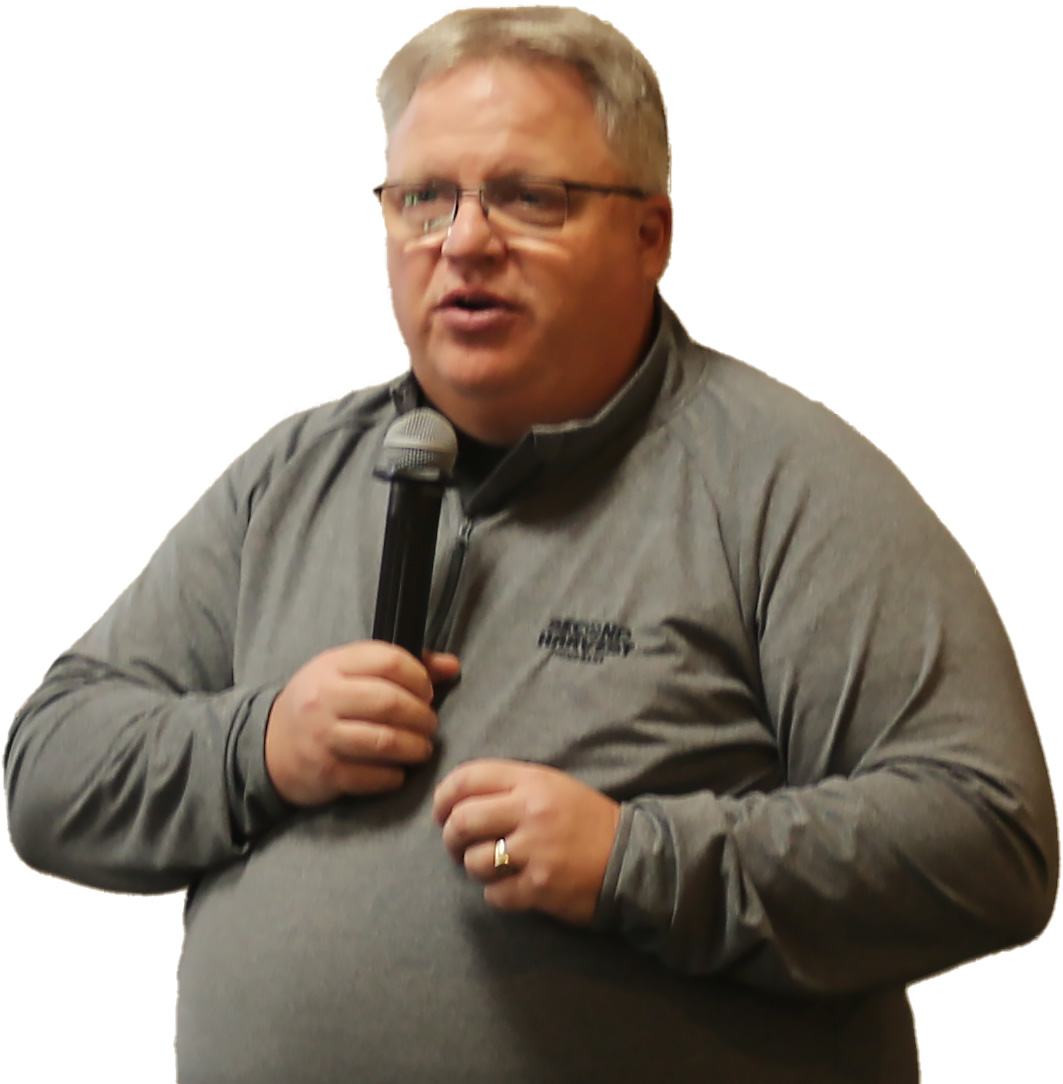
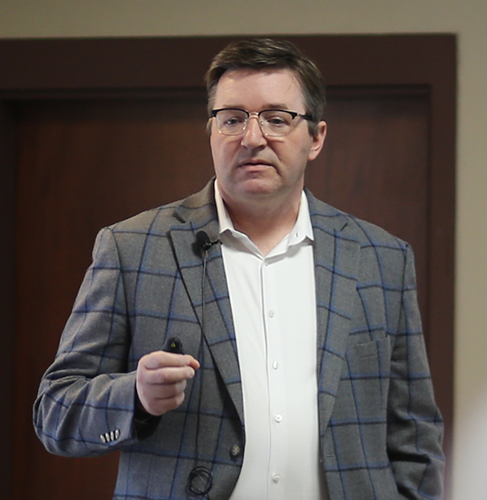
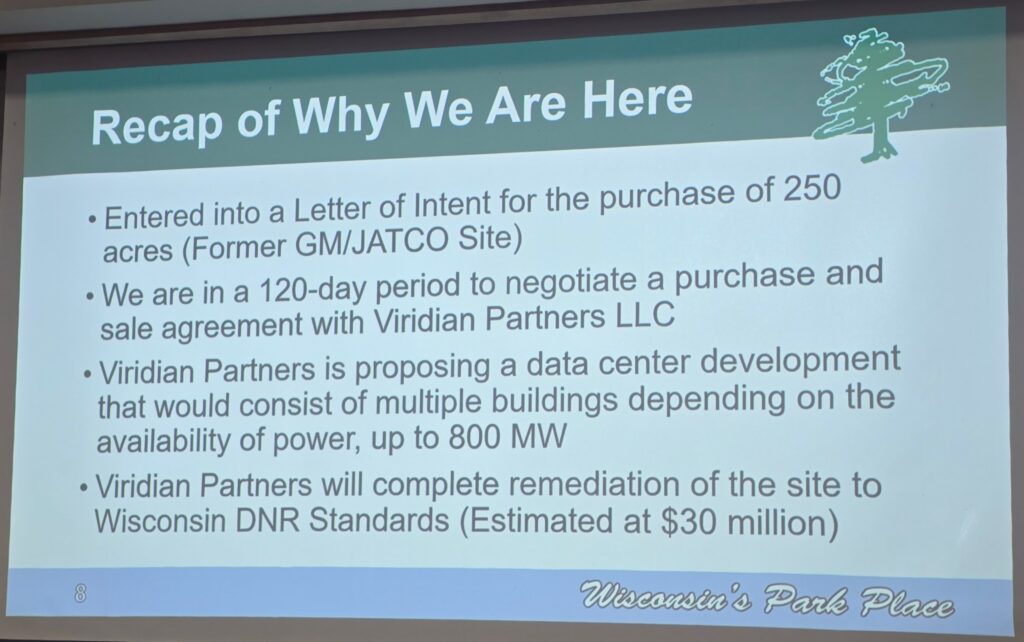
Jim Farrell introduced the day’s speaker, Kevin Lahner. Kevin is the City Manager of Janesville. Kevin started by relaying a story about his past. Some 22 years ago, when Kevin was 27, he was the city administrator of Burlington, Wisconsin. One of his first big challenges was cleanup of a toxic site created by WE Energies.
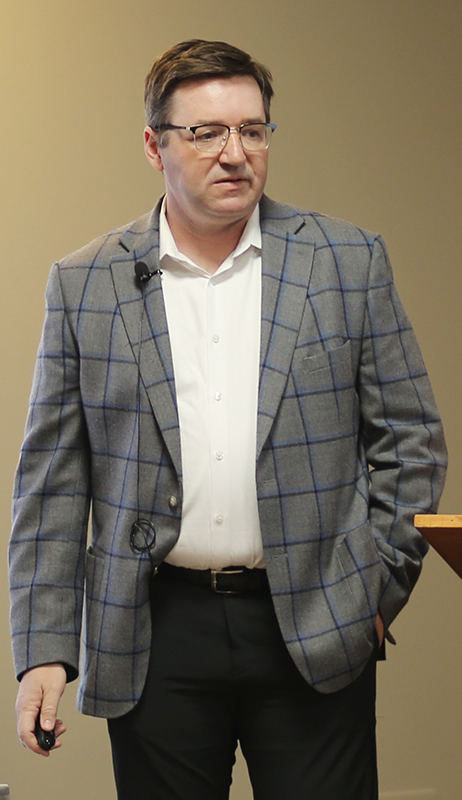
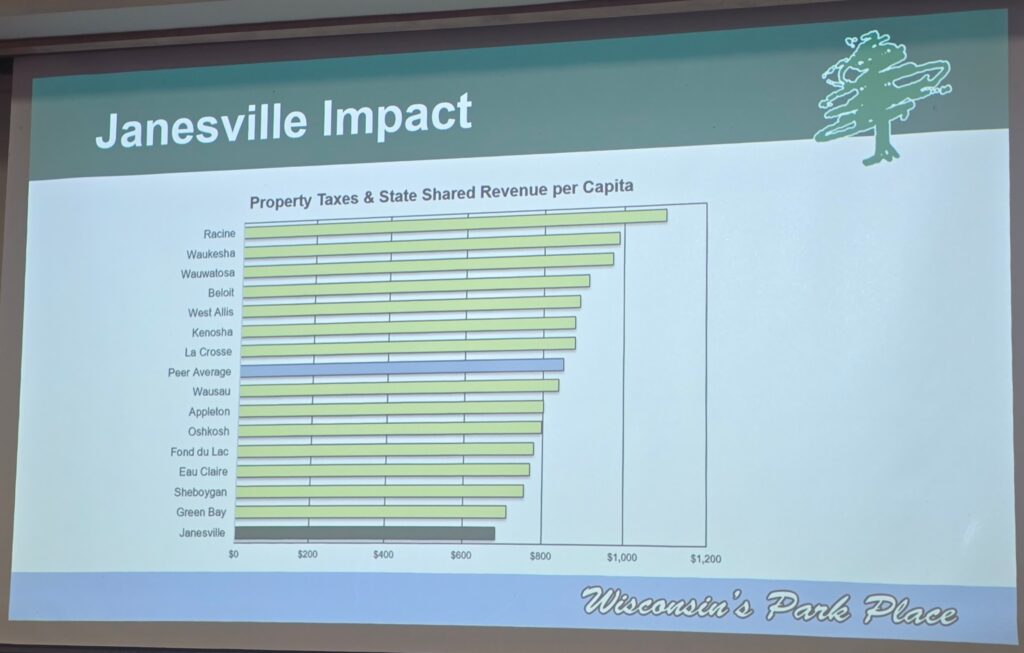
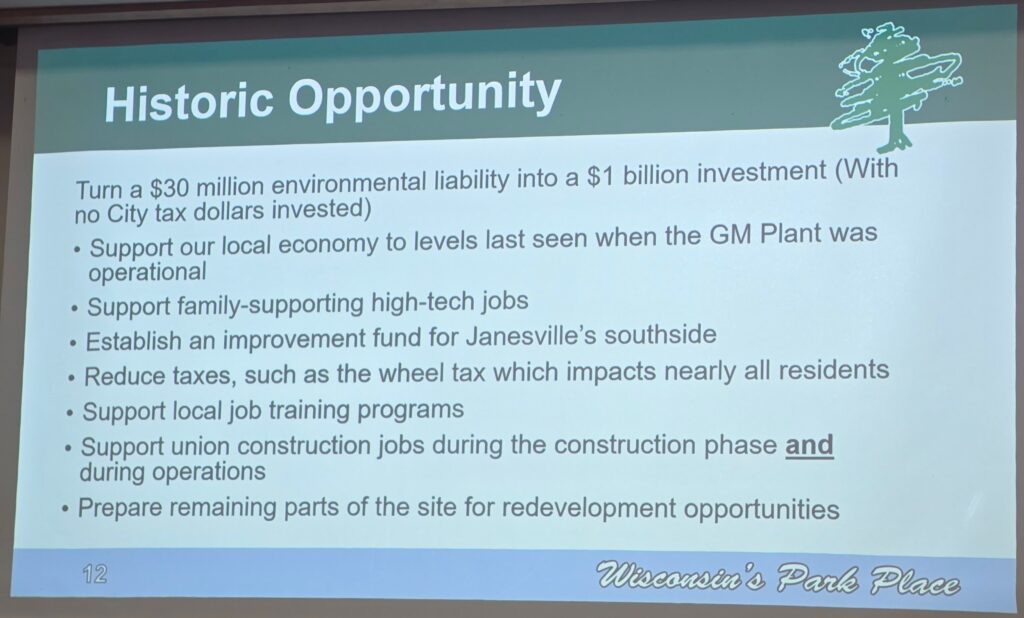
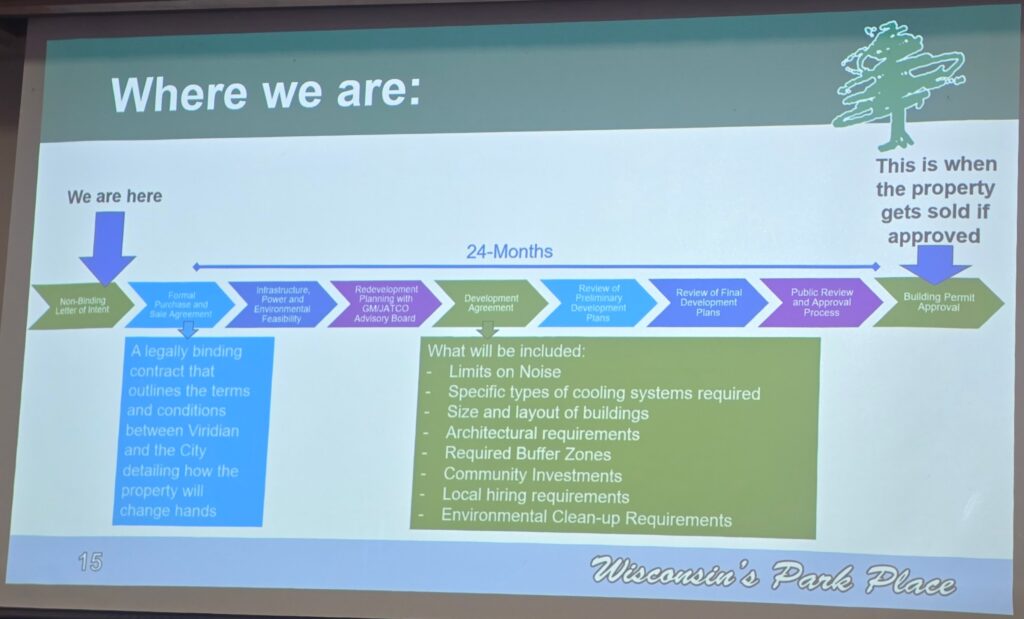
Kevin gave a great presentation, supported by much data. Members then asked questions:
Kiwanis member Tom Neumann asked, “Have you visited a data center?” Kevin Lahner responded, “Dallas, Texas and Louden County, Iowa. I toured a decade-old Google installation, and one that was five years old. There are two types of data centers: colocation, and AI. Colocation is a host company with clients, AI is one company. One data center was 50 yards from housing. Noise mitigation is improving. The one in Texas was 1.6GW, in the middle of a neighborhood.
Kiwanian Jim Farrell asked, “Can you tell us about water usage?” Kevin responded, “GM used 2 million gallons of water per day at peak. The data center will use 78,000 gallons of water. Power production will be accomplished by Alliant Energy.”
Kiwanis member Mel Lemirande asked, “I am trying to visualize one. Where are some examples?” Kevin, “Microsoft has nearly completed theirs in Mt. Pleasant. One is in DeKalb, Illinois.”
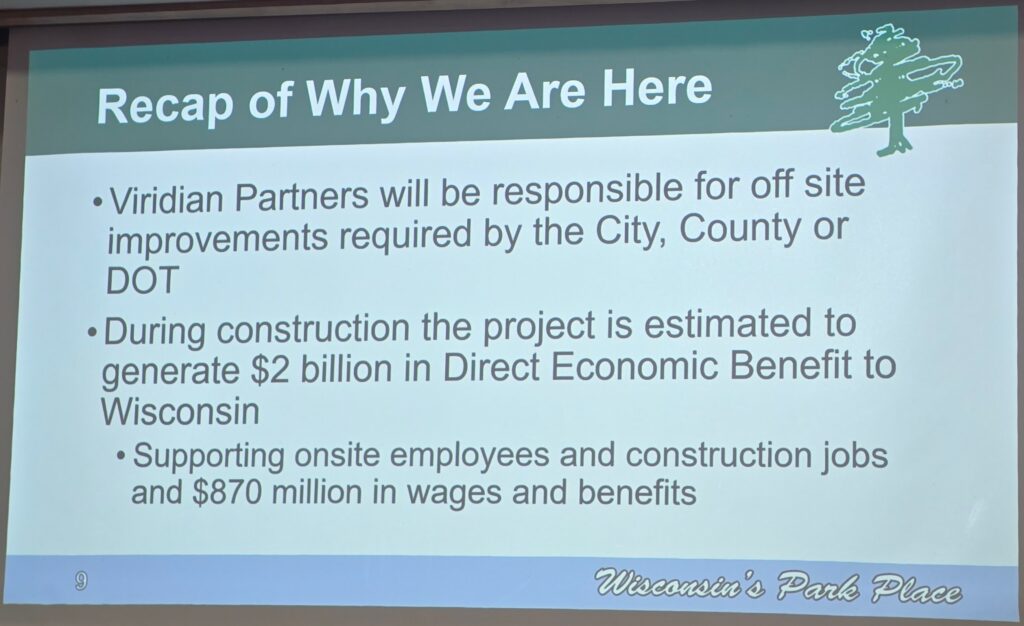
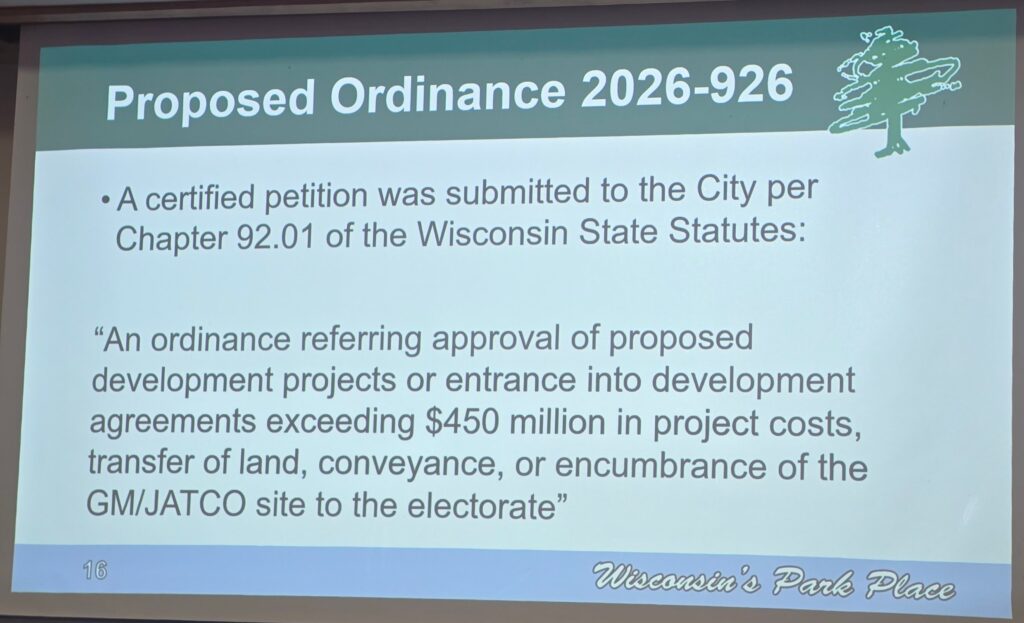
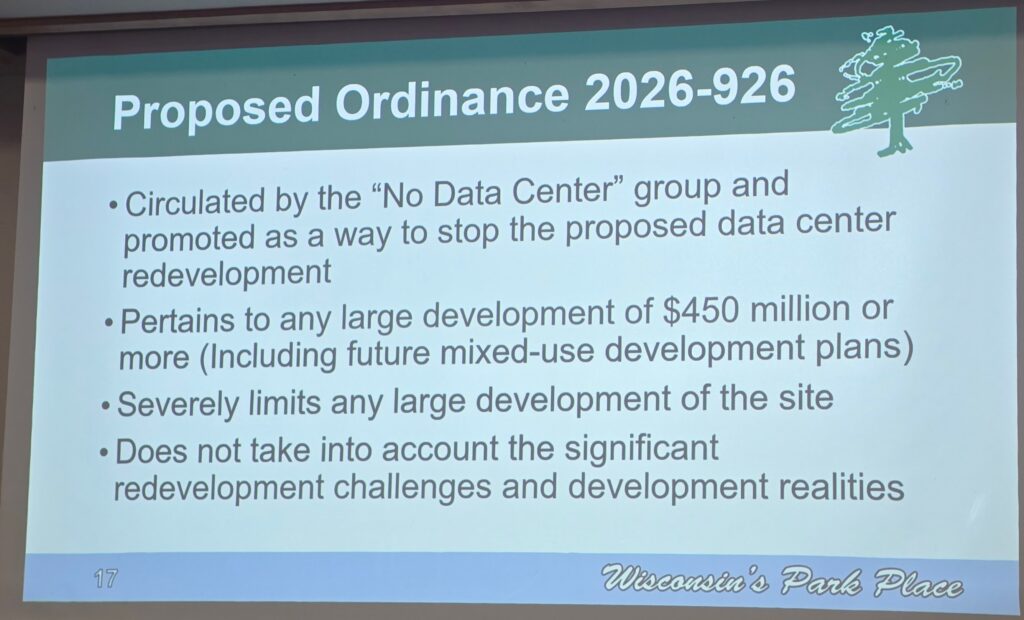
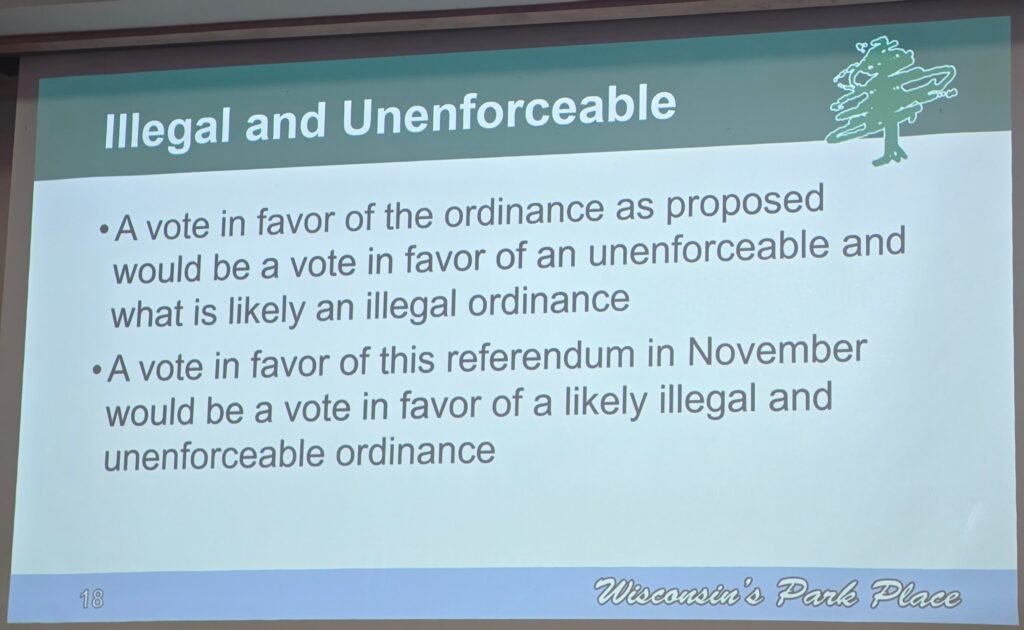
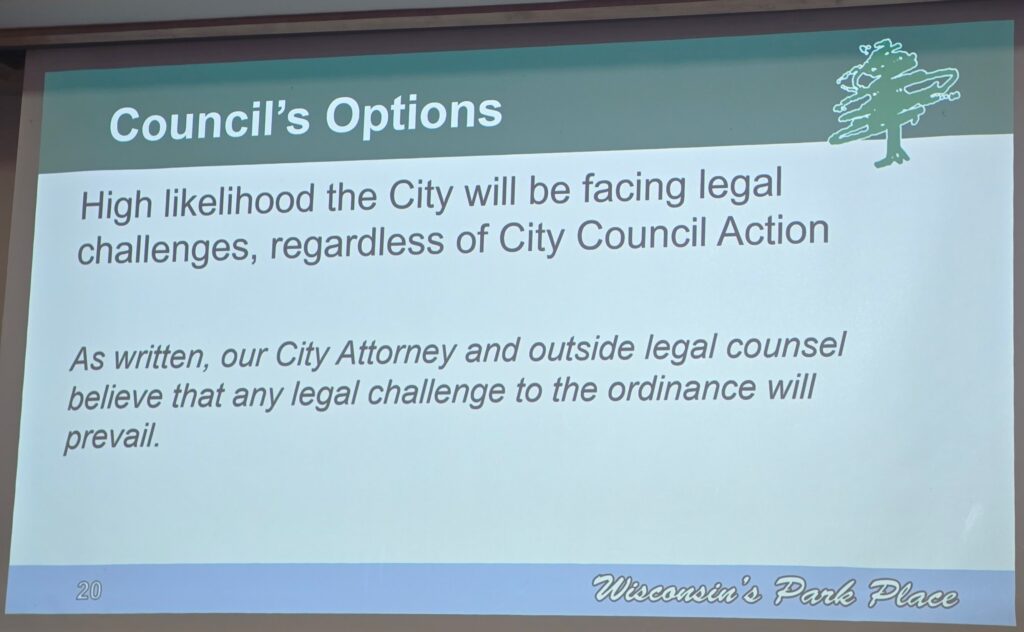
Mel continued, “Why should I vote Yes or No on the ballot?” Kevin responded, “The referendum is likely unenforceable. Vote for the data center to support the brownfield remediation.”
Kiwanian Greg Turco inquired, “Will the company use renewable energy?” Kevin replied, “Alliant Energy’s 2030 plan is in progress, for 40%(?) renewable energy.”
Tom Neumann asked, “Alliant won’t increase rates?” Kevin responded, “Alliant has an agreement with the data center that has required commitments and penalties. That said, the state should improve that.”
Jim Farrell inquired, “Is the city transparent?” Kevin, “The city council asked me to investigate data centers and make it public. We were criticized for signing 30-day non-disclosure agreements. Those agreements are standard, and necessary for trade (and infrastructure) secrets.”
Kiwanis member Jenny Turco asked, “Will the data center be held to renewable standards?” Kevin responded, “That is up to Alliant and the Public Service Commission.”
Jenny continued, “Where is the contamination?” Kevin, “The North site has much more than the South site. For example, GM dredged the river and dumped it in the North site.”
Jenny, “How many buildings?” “Around twelve.”
Jenny, “Will there be power at the site?” Kevin, “No, that will be at Alliant.”
Mel Lemirande inquired, “Is the sewage different?” Kevin replied, “Wastewater treatment plants have been contacted. It is normal.”
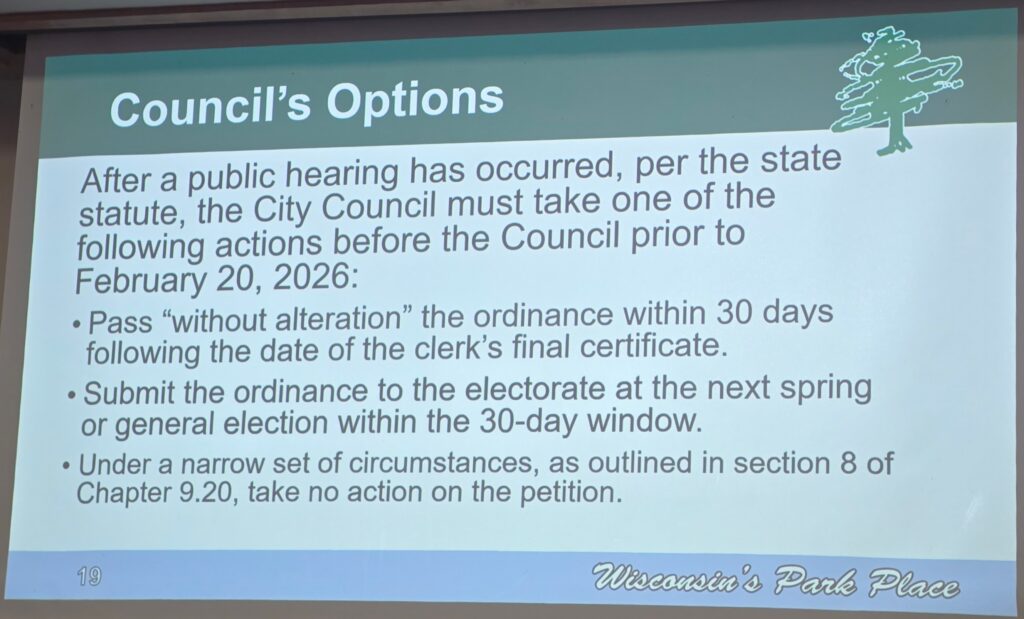
Kiwanian John Janes asked, “Where does the brownfield soil go?” Kevin responded, “It will likely be a Michigan site. Wisconsin doesn’t have any sites. It is currently “capped” (under concrete). Only special facilities can accept it.”
Tom Neumann asked, “Is there an option for the city to receive grants from an EPA superfund?” Kevin responded, “Senator Baldwin provided $5M. EPA grant requests are in progress. Likewise with state grants.”
Kiwanis member Nikki Bennett inquired, “Where did you see data centers?” Kevin, “Louden County, Virginia.” “None in Wisconsin?” “There are no comparably-sized projects online in Wisconsin.”
Nikki continued, “What happens if they leave in 20 years?” Kevin, “Same as any other company.”
Jim Farrell asked, “What type of jobs are created?” Kevin replied, “There will be around 2,000 construction jobs. A 60-70% local hiring preference from Rock County is part of the arrangement. Permanent jobs number in the hundreds. Trade jobs are required for upkeep.”
Kiwanian Steve Skelly asked, “If not this, how does the city clean up GM/JATCO?” Kevin, “We don’t. Industries generally do not have the funds to accomplish the task.”
John Janes inquired, “Do data centers cause pollution?” Kevin replied, “The energy is a cause of pollution.”
Tom Neumann asked, “Can Alliant provide the energy?” Kevin responded, “Yes. Up to 800MW in six years would be staged. For example, it might be 200MW in three years. That is at a high level, and will be an analysis if the project moves forward.”
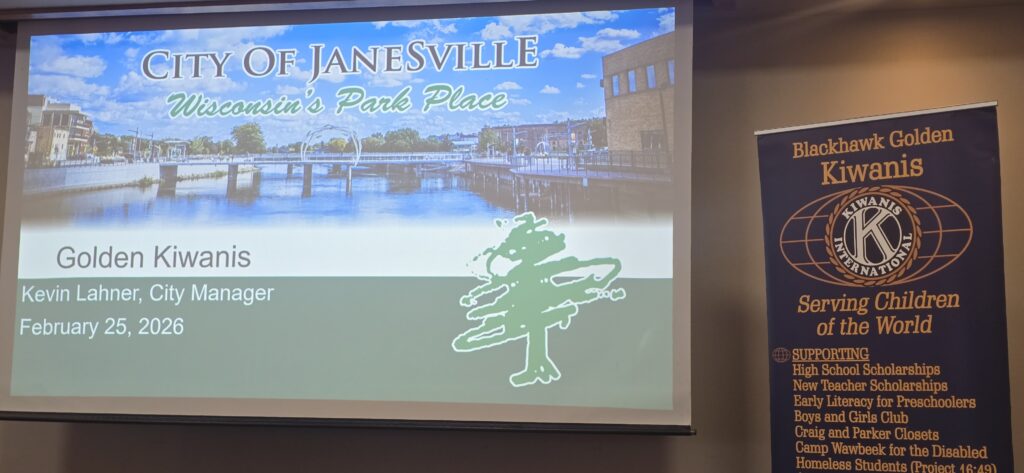
Jim Farrell thanked Kevin Lahner for speaking and presented him with a Kiwanis Parker pen.
Tom Neumann adjourned the meeting with a ring of the bell at 10:50AM.
On this day:
1751 First performing monkey exhibited in New York City, USA (admission 1 cent)
1791 First Bank of the United States is chartered by the United States Congress for a term of 20 years
1799 First federal forestry legislation authorizes the purchase of timberland
1799 US Congress passes 1st federal quarantine legislation
1804 Thomas Jefferson nominated for US President at Democratic-Republican caucus
1837 First US electric printing press is patented by Thomas Davenport
1838 London pedestrian walks 20 miles backward then forward in 8 hours
1862 First Legal Tender Act of 1862 is passed by US Congress, authorizing the United States note (greenback) into circulation, the first fiat paper money that is legal tender in America
1863 Congress creates national banking system, comptroller of currency
1879 US Congress passed 1st Timberland Protection Act
1885 US Congress condemns barbed wire around government grounds
1908 First tunnel under Hudson River (railway tunnel) opens
1913 The 16th Amendment to the US Constitution becomes law, providing the legal basis for the institution of a graduated income tax
1919 Oregon becomes the first state to tax gasoline (1 cent per gallon)
1925 Glacier Bay National Monument established in Alaska
1930 Check photographing device patented
1933 1st genuine US aircraft carrier named, USS Ranger
1933 Major NFL rule changes (hash mark 10 yds in, posts on goal line)
1933 New York industrialist Thomas Yawkey purchases Boston Red Sox for $1.25 million
1943 British musician George Harrison—lead guitarist of the Beatles, one of the most influential bands in the history of rock and roll—was born.
1957 Buddy Holly and the Crickets record their smash hit “That’ll Be the Day” in Clovis, New Mexico
1963 The Beatles release their first US single, “Please Please Me”
1968 10th Daytona 500: Cale Yarborough driving for Wood Brothers Racing wins by less than a second from LeeRoy Yarbrough; grid set exclusively by qualifying times
1969 Mariner 6 launched for fly-by of Mars
1969 Pension plan for baseball is agreed to
1974 Veronica and Colin Scargill of England begin a tandem bicycle ride of a record 18,020 miles around the world and complete it on August 27, 1975
1977 Soyuz 24 returns to Earth
1979 Soyuz 32 carries 2 cosmonauts to Salyut 6 space station is launched
1982 Record speed for a snowmobile (239 kph)
1987 Peruvian archaeologist Walter Alva discovers the royal tombs of Sipán from the Moche culture (A.D. 100 to 800) in northern Peru after a police tip-off, considered the richest archaeological find of the New World
Let’s All Eat Right Day celebrates Adelle Davis, an influential nutritionist of the mid-twentieth century, who decried food additives and championed whole, unprocessed foods. These ideas were often seen as eccentric at the time, but are mainstream beliefs today. It was her thought that food played a huge role in health and could prevent disease and illness and help people recover from disease and illness. Beyond this, she thought healthy eating could help heal some of society’s other ills.
Minutes by Ryan Lewis.
Credit: Dave Figi, and Ryan Lewis, photographs.
Note: Kiwanis and its members are not responsible for errors or omissions. We are open to discussion if you would like to request an alteration.