Blackhawk Golden ‘K’ General Meeting
Minutes
January 28th, 2026
Richard Johnson presided, and called the meeting to order with a ring of the bell at 9:30AM.
An Executive Board meeting occurred today.
The meeting was led with the singing of America, the National Anthem and the Pledge of Allegiance.
Invocation: Bob Knudson, mentioning the food and drinks, and the children.
Raffle: Steve Skelly oversaw the ticket sales and drawing this week.
The weekly pot was $10 and the big (Joker) pot was $157.
Lorraine drew a ticket from the bucket, ticket number 1233. Congratulations to the winner, Bob Knudson.
The deck of cards has 38/53 cards remaining. Bob Knudson drew the 8♥.
Richard Johnson thanks greeters Dave Calverley and Dave Figi, invocator Bob Knudson, rafflemaster Steve Skelly, and server Bob Knudson.
Happy Box: Bob Knudson announced he is happy because he won the raffle, and is donating the proceeds to the Truck on Ice!
Tom Neumann announced he is happy because he and Cassie returned from a 12-day cruise. He highly recommends the drink package.
Richard Johnson announced that there are several guests today: Darlene McCarthy, Karen Peck, Doris Henning and Arlene Knudson.
Member Health: John Janes had a status update on Ron Shuler, who is recovering at St. Elizabeth’s, with his son helping him.
Committee Reports: John Janes announced Truck on Ice table sales at the Janesville Athletic Club are underway. The truck will go out on the ice after the meeting in one week!
John Janes announced that today’s count for ticket sales was $3,017, bringing the grand total to $7,367!
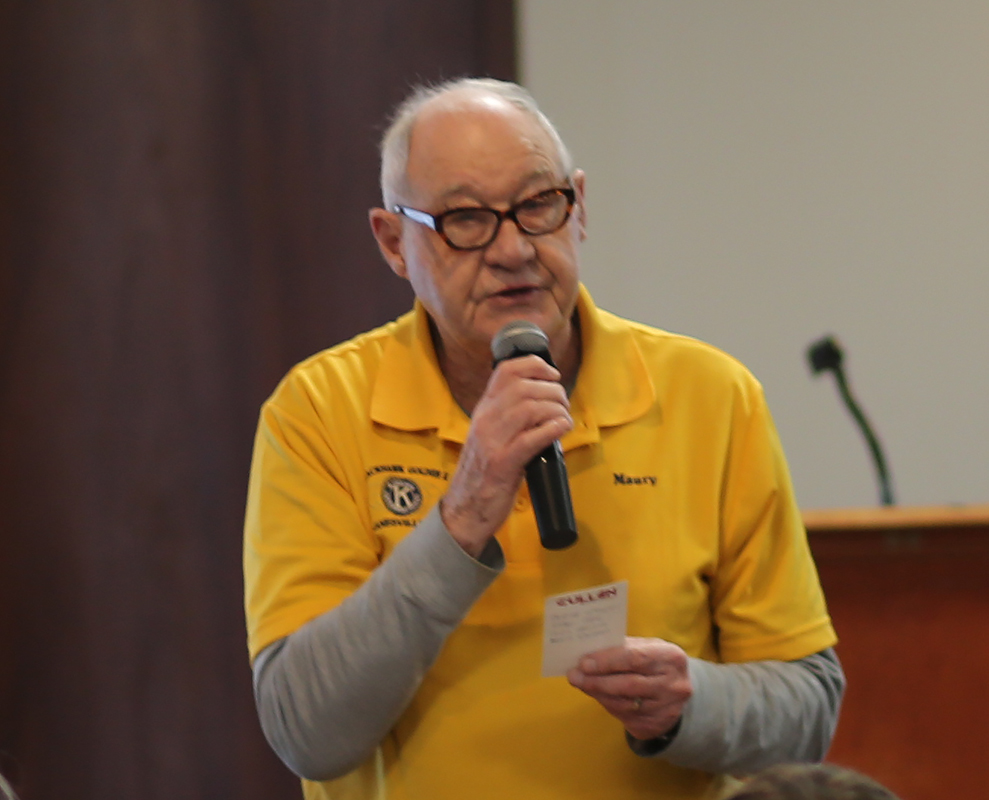
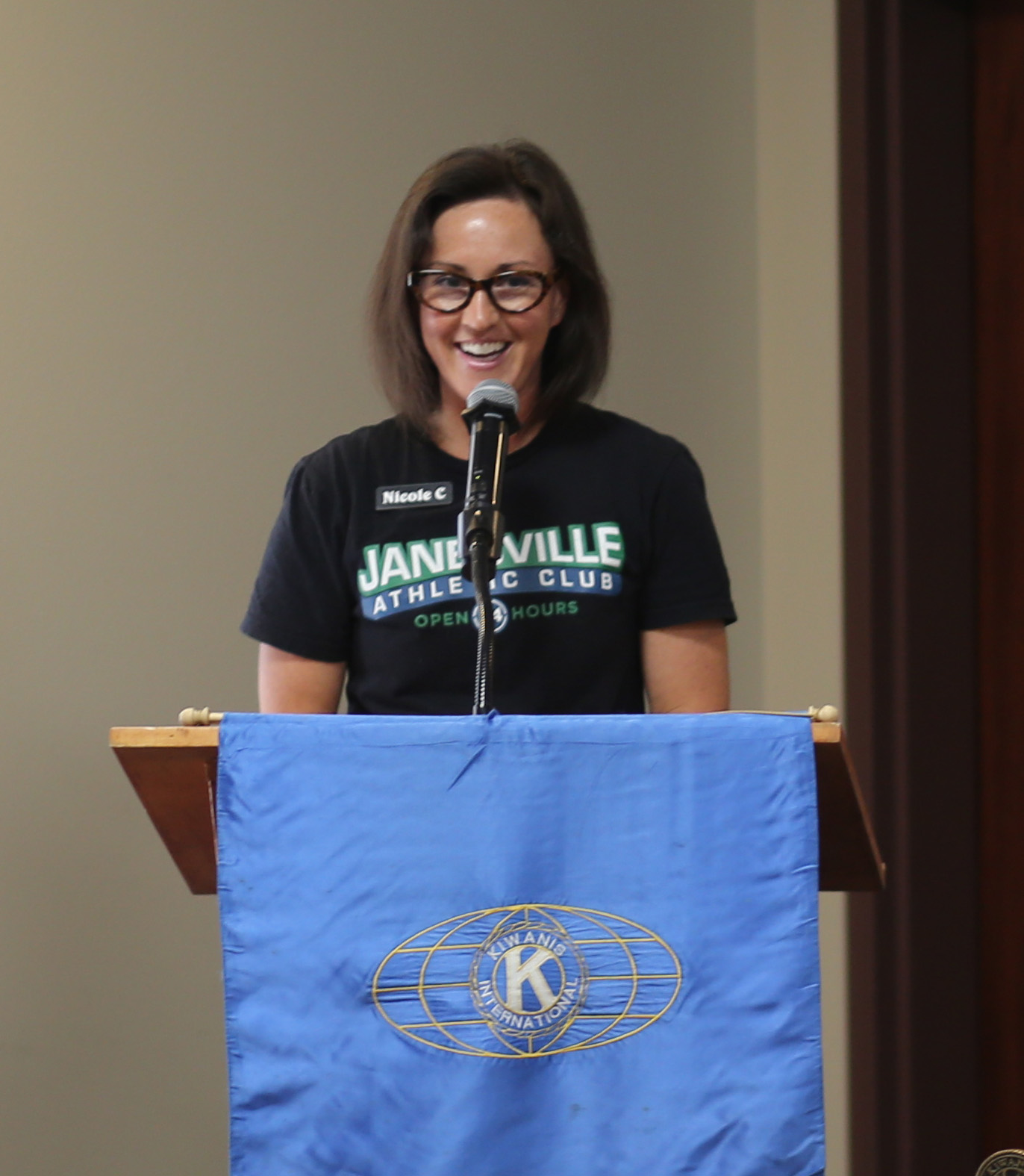
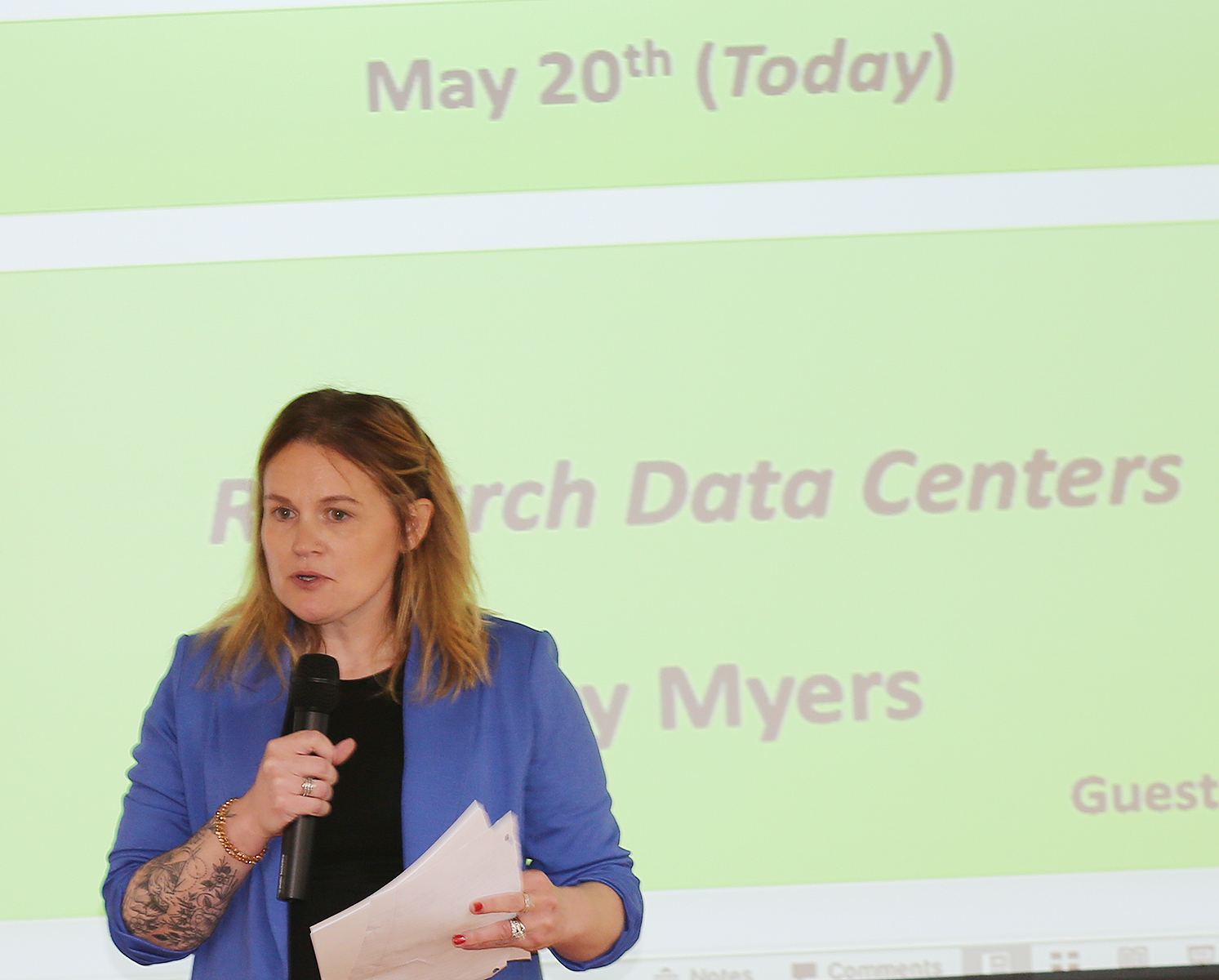
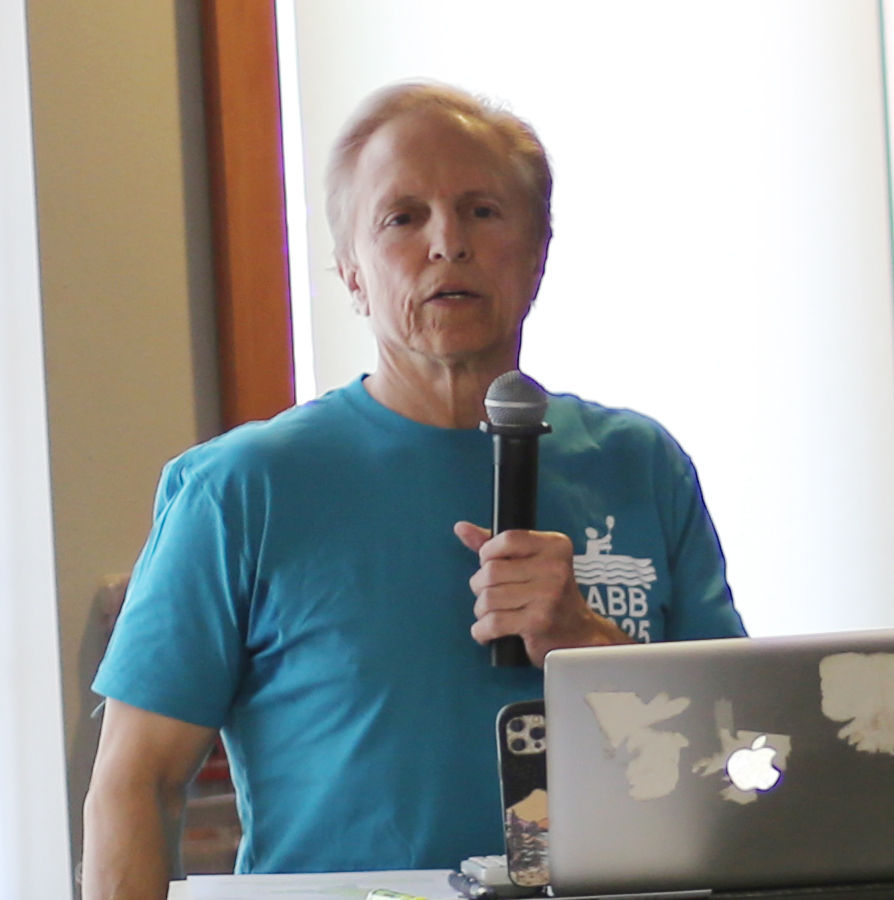
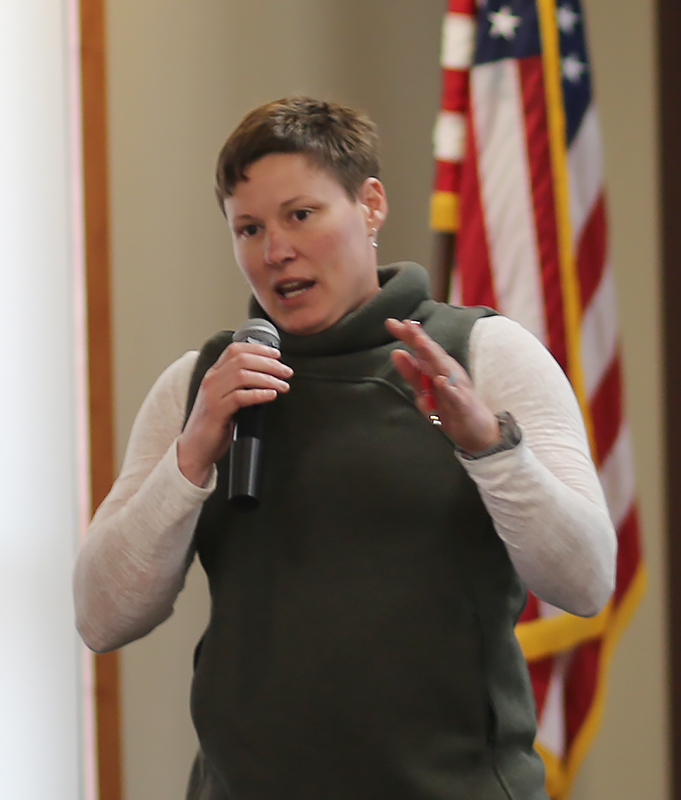
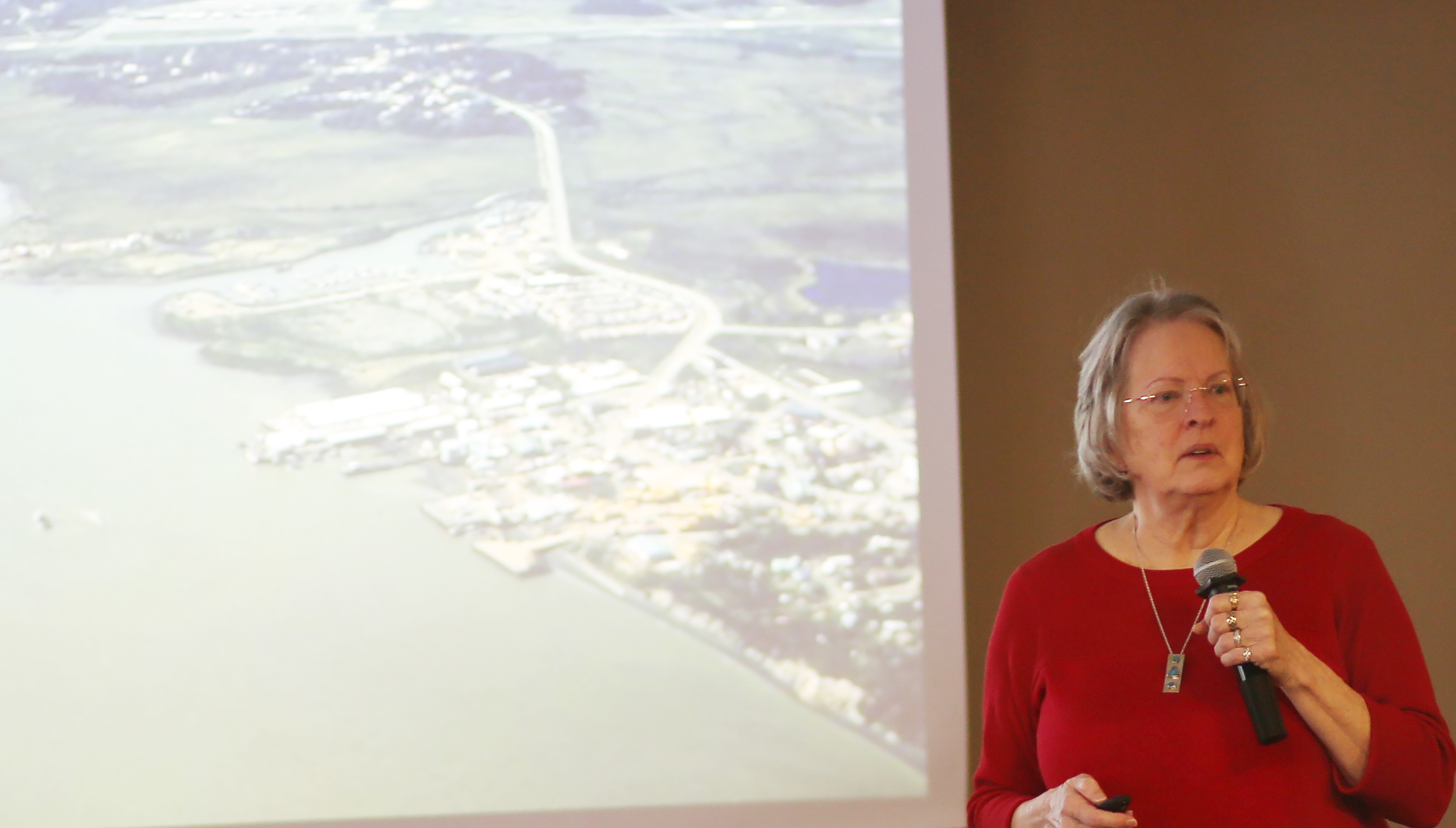
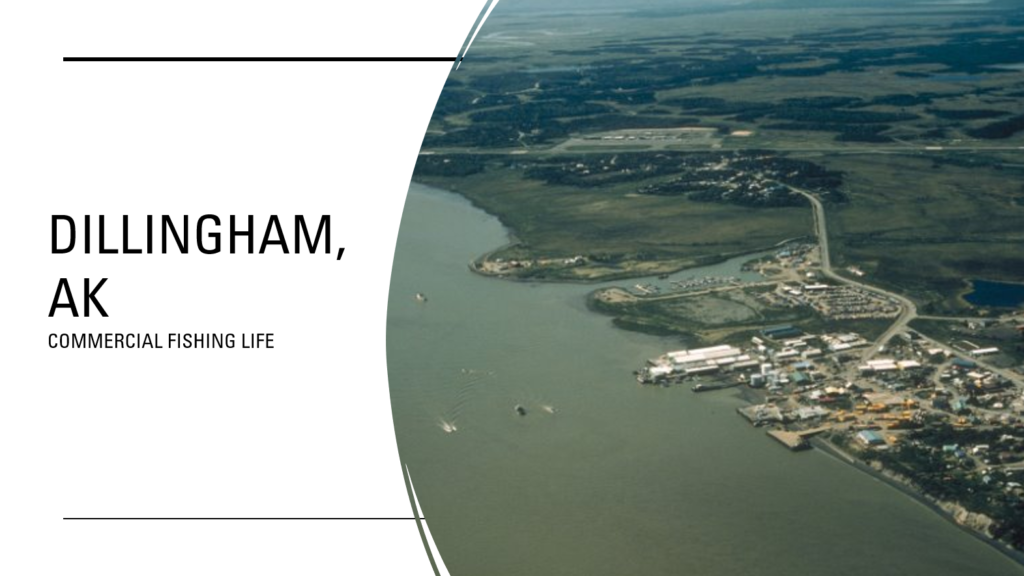
Maury Frey introduced the day’s speaker, Charlotte Smith. Charlotte is a Wisconsin native who now lives in Alaska. She lives in a village named Aleknagik. The remote ‘bush’ village is not accessible by road, nearest to Dillingham on the Southwestern shore. The presentation featured many elements of the elements of an Alaskan Salmon fishing family.
Charlotte’s presentation was at times supported by her son, Lucas, a commercial fisherman who happens to be a previous Blackhawk Golden Kiwanis grant recipient.
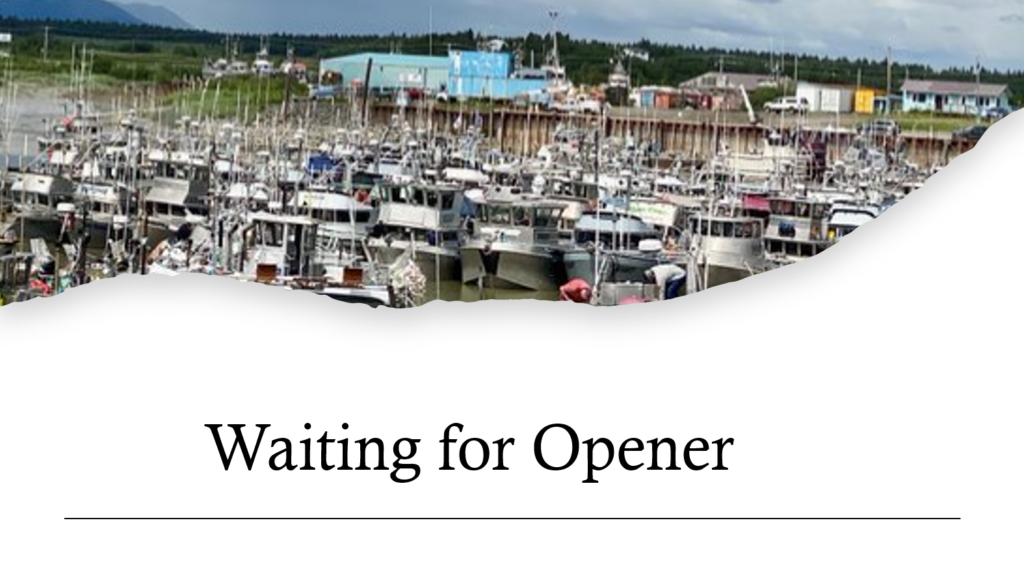
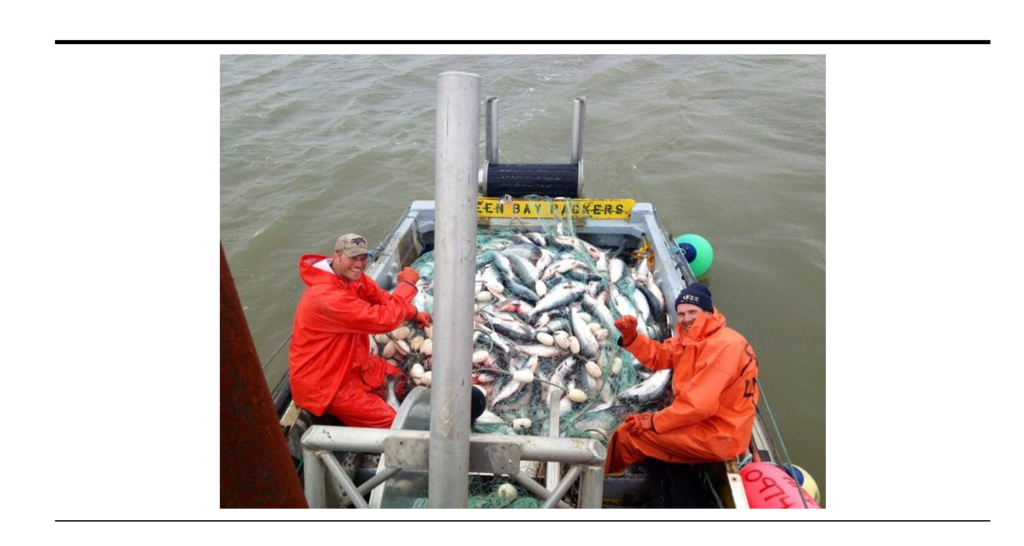
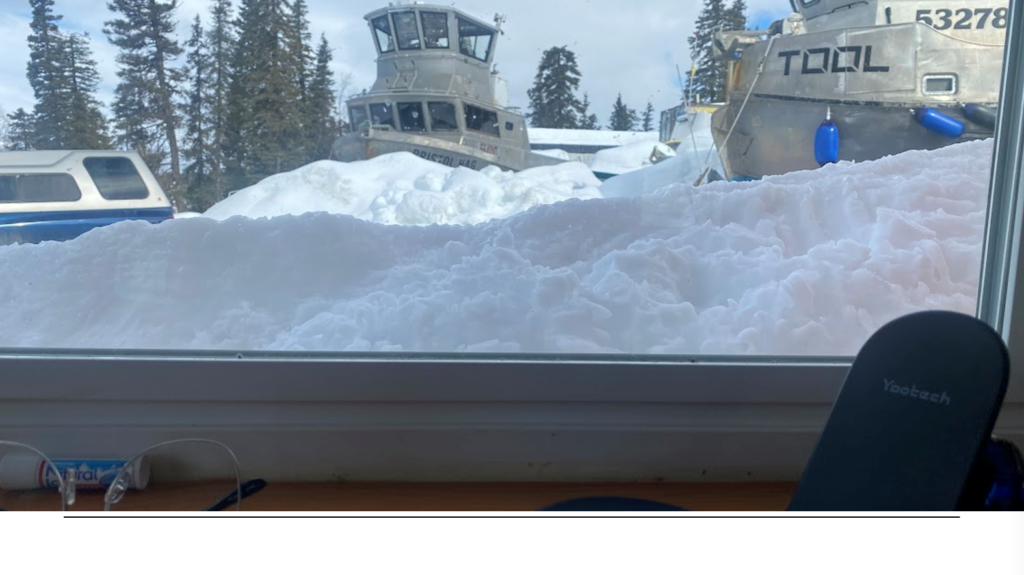
Charlotte detailed the many types of equipment and manpower needed to man a commercial fishing vessel.
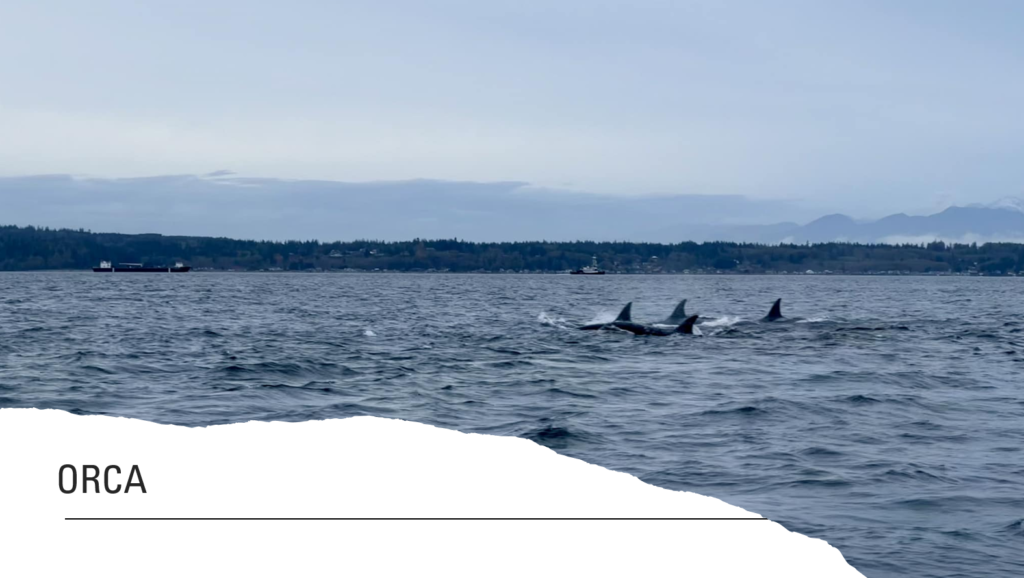
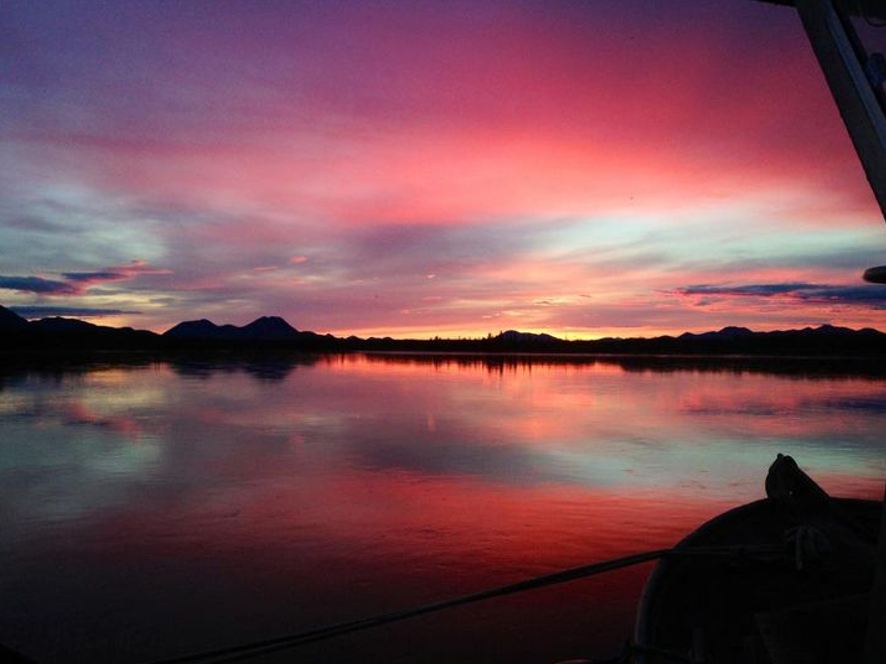
Excellent photos of native Orca and other wildlife were included, and the Northern Lights.
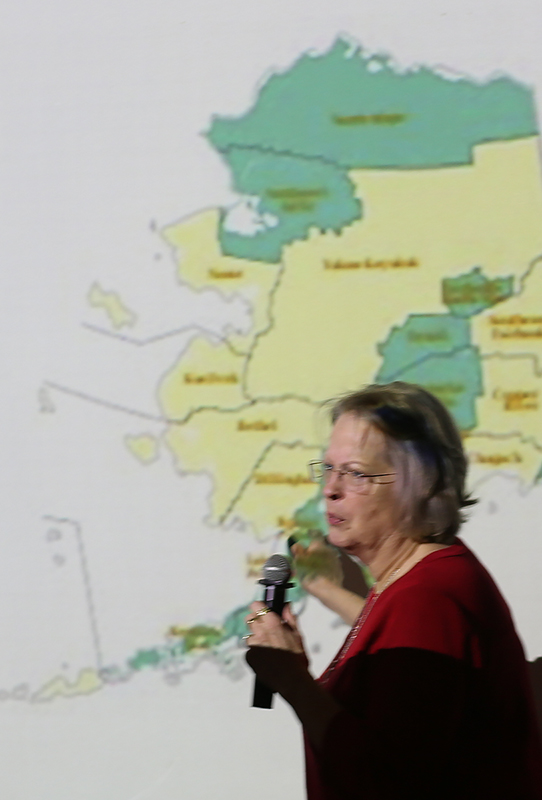
There are 1,800 permits for the entirety of Bristol Bay. They range from $150,000-$250,000 and last a lifetime.
Kiwanis member John Janes asked, “how long does it take to fill a ship’s hold?” Charlotte responded, “around 12 hours.”
John Janes, “How far out?” Lucas, “We are 5-10 miles away. We can always see the shoreline.”
Kiwanian Bob Wilcox asked, “Are the Russians allowed?” “Yes, if a permit is held. They’re American.” “Are they friendly?” “Yes, generally everyone gets along.”
Kiwanis member Jenny Turco asked, “Are you Wisconsonites?” Charlotte responded, “Yes. Grandpa had problems and was told by a doctor, allergies in Alaska are much better” [and away he went.]
Kiwanian Tom Neumann asked, “Is fish cleaning done by hand?” Lucas replied, “It is a machine that must be monitored.”
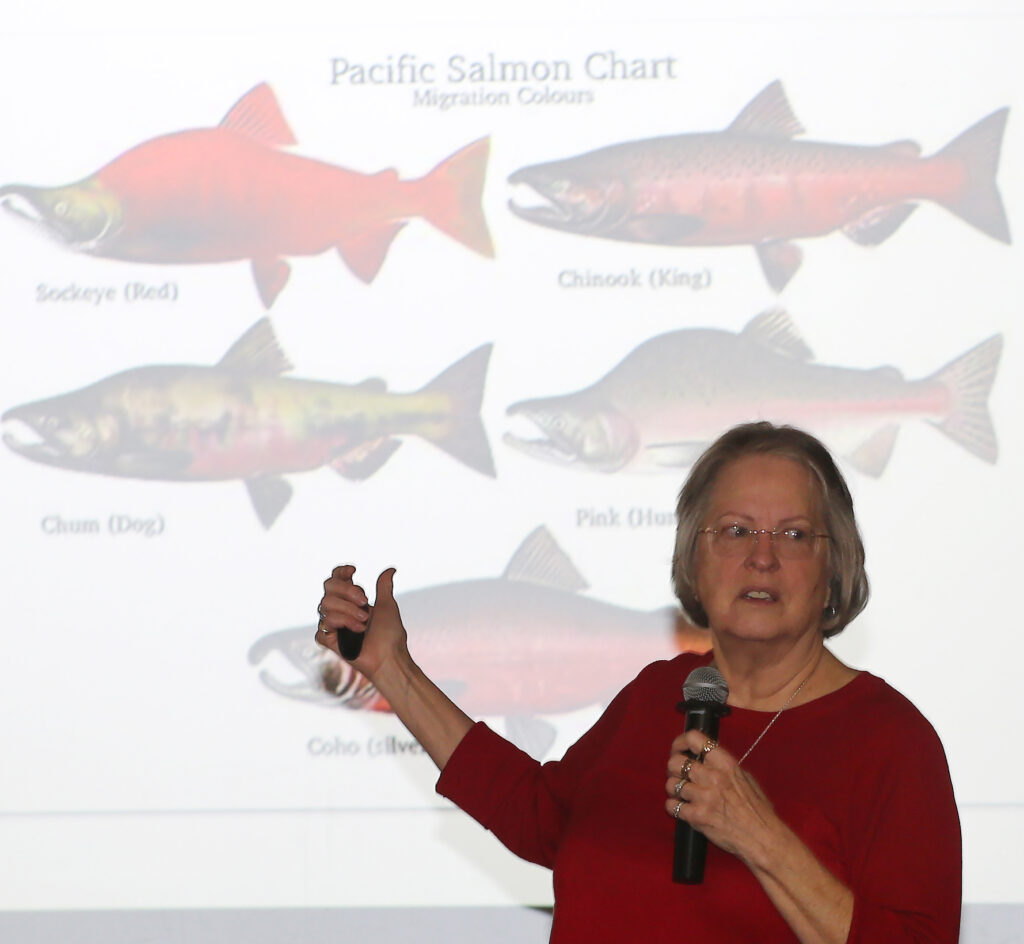
Kiwanis member Gregg Dickinson asked, “Do the salmon migrate?” Charlotte, “Yes, down a river in Russia.”
Charlotte’s daughter was on the television show, ‘The Deadliest Catch.”
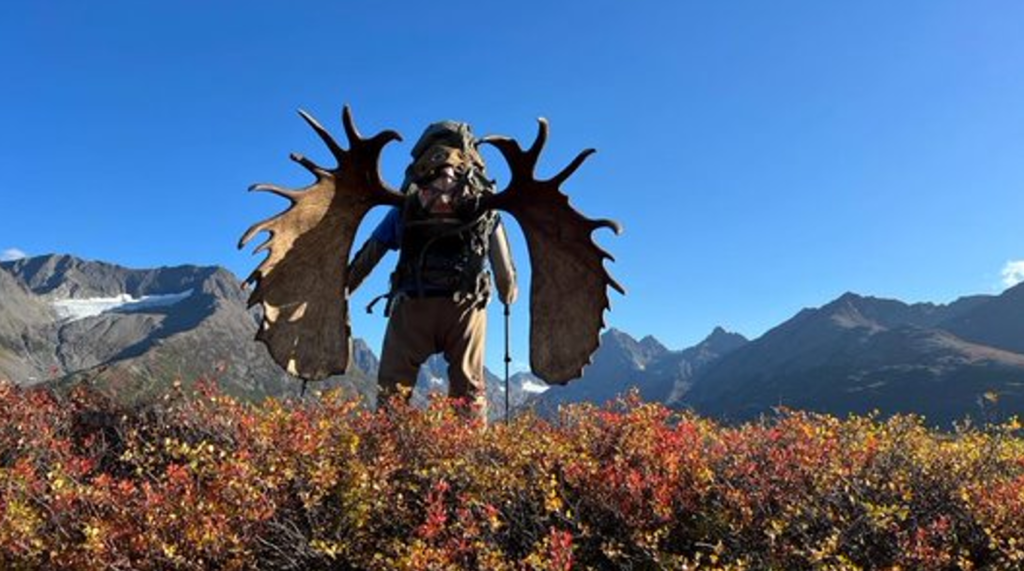
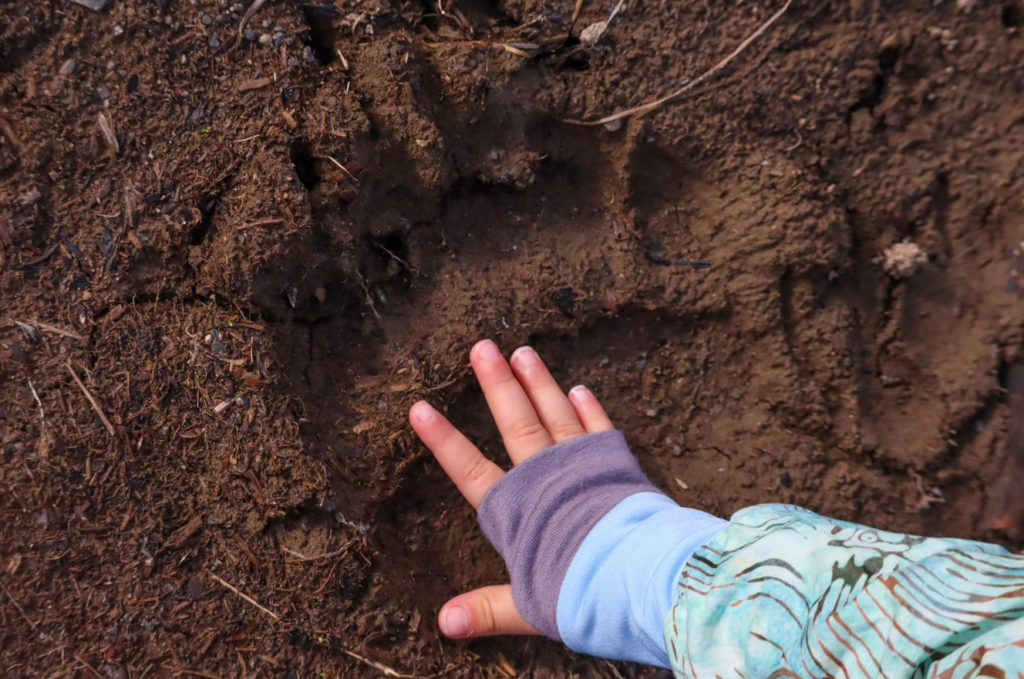
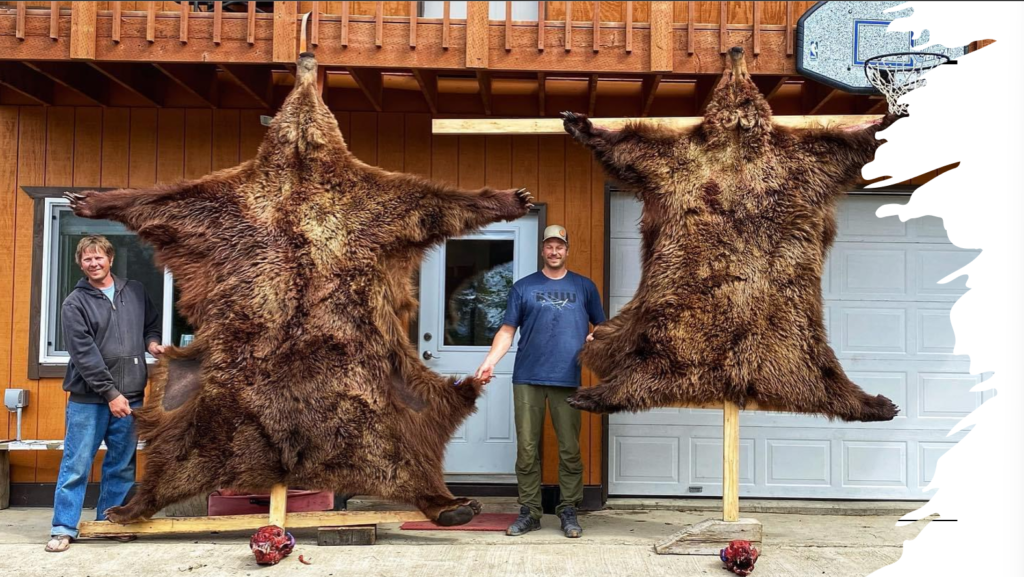
Moose and bear hunting was touched upon, with photos of the furs.

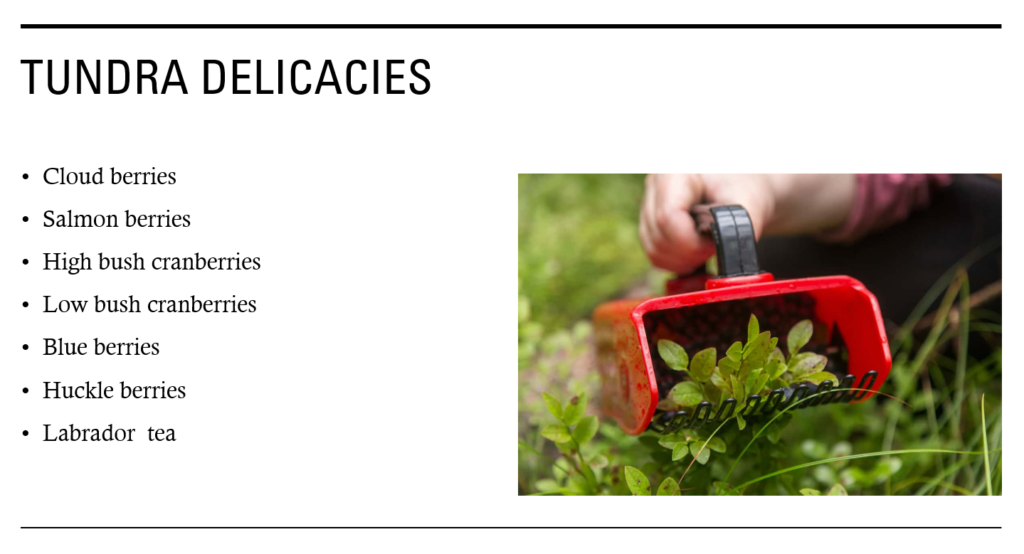
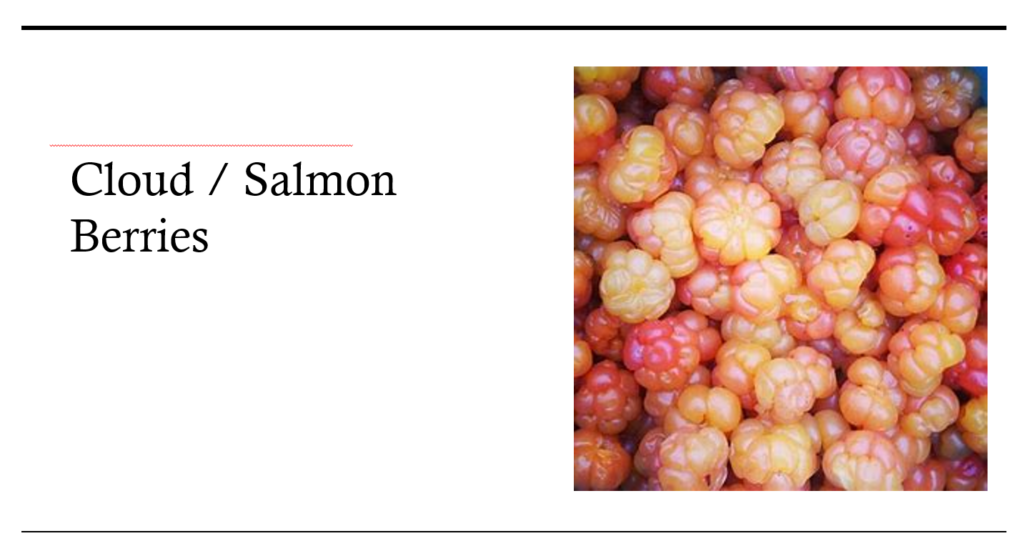
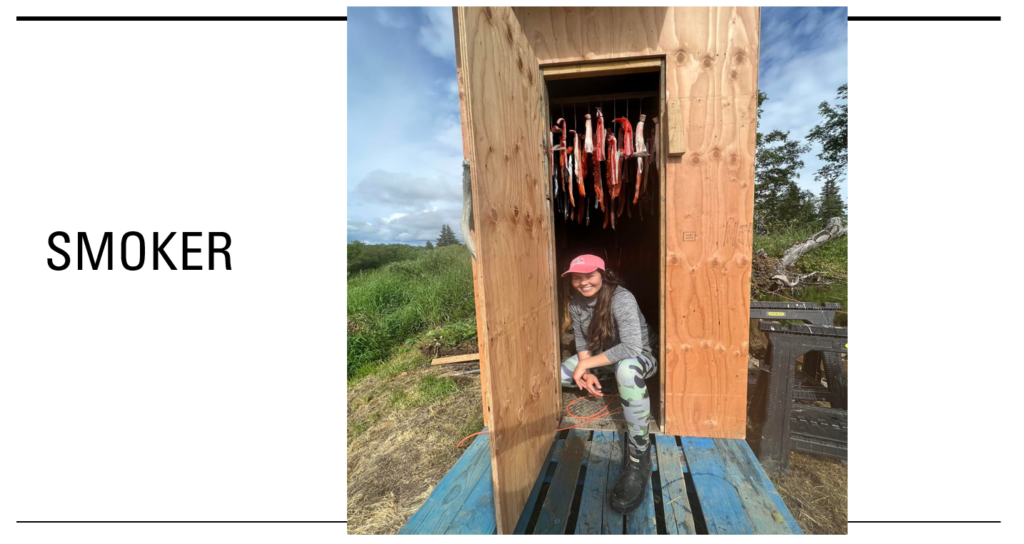
Charlottle covered ‘akutaq,’ which is the natives’ form of ice cream. It is made of lard, sugar and berries. She is not a fan.

Labrador tea is a popular curative. It has beneficial properties for sufferers of tuberculosis.
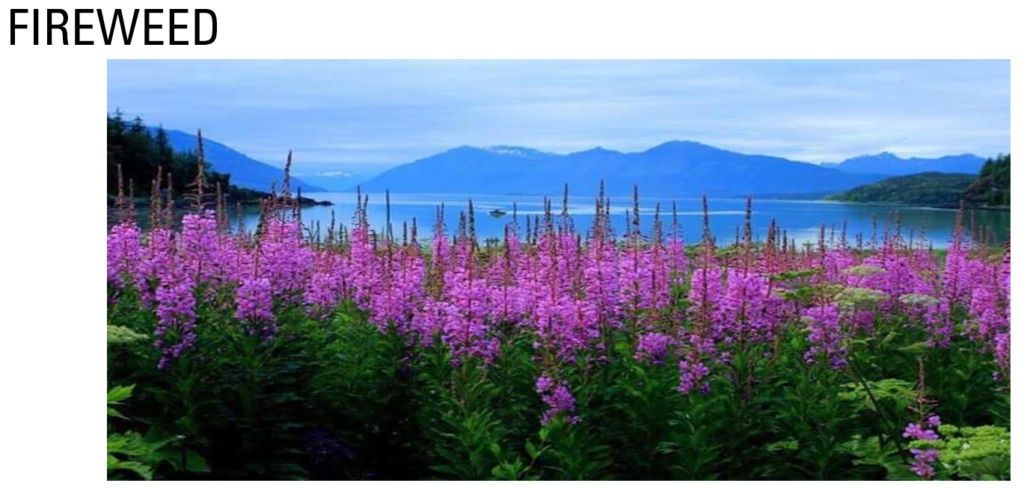
The village has one stop sign, required by the government as an agreement for a grant. There is no constable, and nobody stops. It is a difficult habit to break when going back to civilization.
The state has its fair share of problems. Substance abuse and suicide rates are high. The local community did have one case of grand theft auto. A vehicle was stolen, and later found at a local gas station with a full tank.
Tom Neumann asked, “What does a gallon of milk cost?” Charlotte, “Nine dollars. The second is $11. Food is expensive. The state funded residents’ greenhouses. It is $4.90 for a Campbell’s mushroom soup.”
Kiwanian Carl Cramer asked, “Do residents use HAM?” Lucas replied, “Some, yes. VHF channels were popular. Internet was non easily attained, previously $500 monthly. Starlink exists now.”
Kiwanis member Jim Farrell asked, “What is the sales tax, or property tax?” “Lucas responded, “The state has no sales tax.”
A member asked, “What is the take for a pound of salmon?” “Three good months are available for fishing, and the other nine are winter. The fish sells for $50c – $1.50 per pound. Each haul is between 10 and 50 thousand pounds.
Maury Frey thanked Charlotte Smith for speaking and presented her with a Culver’s gift certificate.
Richard Johnson adjourned the meeting with a ring of the bell at 10:40AM.
On this day:
1813 Jane Austen’s “Pride and Prejudice” is published by Thomas Egerton in the United Kingdom
1855 The first locomotive runs from the Atlantic Ocean to the Pacific Ocean on the Panama Railway
1878 Yale Daily News is published, the first college daily newspaper
1887 During a snowstorm at Fort Keogh, Montana, the world’s largest snowflakes are reported to be 15 inches (38 cm) wide and 8 inches (20 cm) thick
1902 Carnegie Institute founded in Washington, D.C.
1904 1st college sports letters given to Seniors who played on University of Chicago’s football team are awarded blankets with letter “C” on them
1915 The United States Coast Guard is created by merging the US Life Saving Service & the US Revenue Cutter Service
1932 1st US state unemployment insurance act enacted (Wisconsin)
1956 Elvis Presley’s 1st appearance on national TV occurs on the Dorsey Brothers’ “Stage Show” program
1958 Construction begins on 1st private thorium-uranium nuclear reactor
1958 The Lego Group patents their design of interlocking Lego bricks, still compatible with bricks produced today
1960 1st photograph bounced off Moon, Washington, D.C.
1962 Johanne Relleke gets stung by bees 2,443 times in Rhodesia & survives
1965 “The Who” make their 1st appearance on British television program “Ready Steady Go!”
1968 29th PGA Seniors Golf Championship: Chandler Harper
1974 Sam Thompson, Jim Bottomley, and Jocko Conlan are elected to the Baseball Hall of Fame
1984 Record 295,000 dominoes toppled in Fuerth, West Germany
1985 Charity single “We Are the World” recorded by supergroup USA for Africa (Michael Jackson, Lionel Richie, Quincy Jones, Bruce Springsteen, Stevie Wonder, and other pop stars)
1990 Super Bowl XXIV, Louisiana Superdome, New Orleans, LA: San Francisco 49ers beat Denver Broncos, 55-10; MVP: Joe Montana, SF, QB
1994 Inna Lassovskaja jumps ladies world record (14.78m)
1998 Michelangelo’s drawing “Christ and the Woman of Samaria” sells for $7.4 million – a record prince for the artist
Today celebrates the daisy, also known as the common daisy, lawn daisy, or English daisy. In England it is commonly called a bruisewort, because the crushed leaves were traditionally used to soothe bruised skin. It is part of the Asteraceae family, a family with thousands of varieties. The name “daisy” is derived from an Old English word that means “day’s eye,” because the petals of daisies open at dawn and close at dusk.
Lego (stylized as LEGO) are plastic construction toys, including interlocking plastic bricks of various colors—as well as accompanying minifigures, gears, and other parts—that can be put together and taken apart, and be used to construct many objects, like model buildings, vehicles, and robots. It was on today’s date in 1958 that a patent for Lego bricks was applied for, which is why today is known as International LEGO Day, a day on which we celebrate all things Lego.
National Kazoo Day, which celebrates kazoos, was founded by Chaplin William Rahn, who formed and was part of the Joyful Noise Kazoo Band at the Homewood Retirement Home in Williamsport, Maryland. A kazoo is a tubelike musical instrument with uncovered ends; one end is flattened and the other end has a small circular opening. About two-thirds of the way down from the circular opening there is another circular opening; it has a chamber where there is a wax-membrane that is able to vibrate. Kazoos are made of plastic or metal and can be various sizes. Soprano kazoos are the standard sized kazoo, and there are also alto, tenor, and kaboom kazoos, which are larger and have lower pitches.
Minutes by Ryan Lewis.
Credit: Dave Figi, and Ryan Lewis, photographs.
Note: Kiwanis and its members are not responsible for errors or omissions. We are open to discussion if you would like to request an alteration.